Kerala is a state with a lot of potential for tourism, but what is it that is not making the most of its potential? Is there a political, economic, or social reason for this?
Kerala, often called God’s Own Country, is a paradise for travelers with its lush backwaters, misty hill stations, pristine beaches, and rich cultural heritage. In 2025, the state welcomed over 2.58 crore visitors, marking a 12.6% growth from the previous year. However, despite this Kerala tourism potential, experts argue it’s not fully utilized. Foreign tourist arrivals are still at 70% of pre-COVID levels (2019’s 11.9 lakh). Issues like overtourism in spots like Munnar and Alappuzha, combined with environmental concerns, highlight the need for sustainable development. This guide explores the reasons behind this untapped potential and provides practical tips for your visit, including trekking, camping, timings, and more.
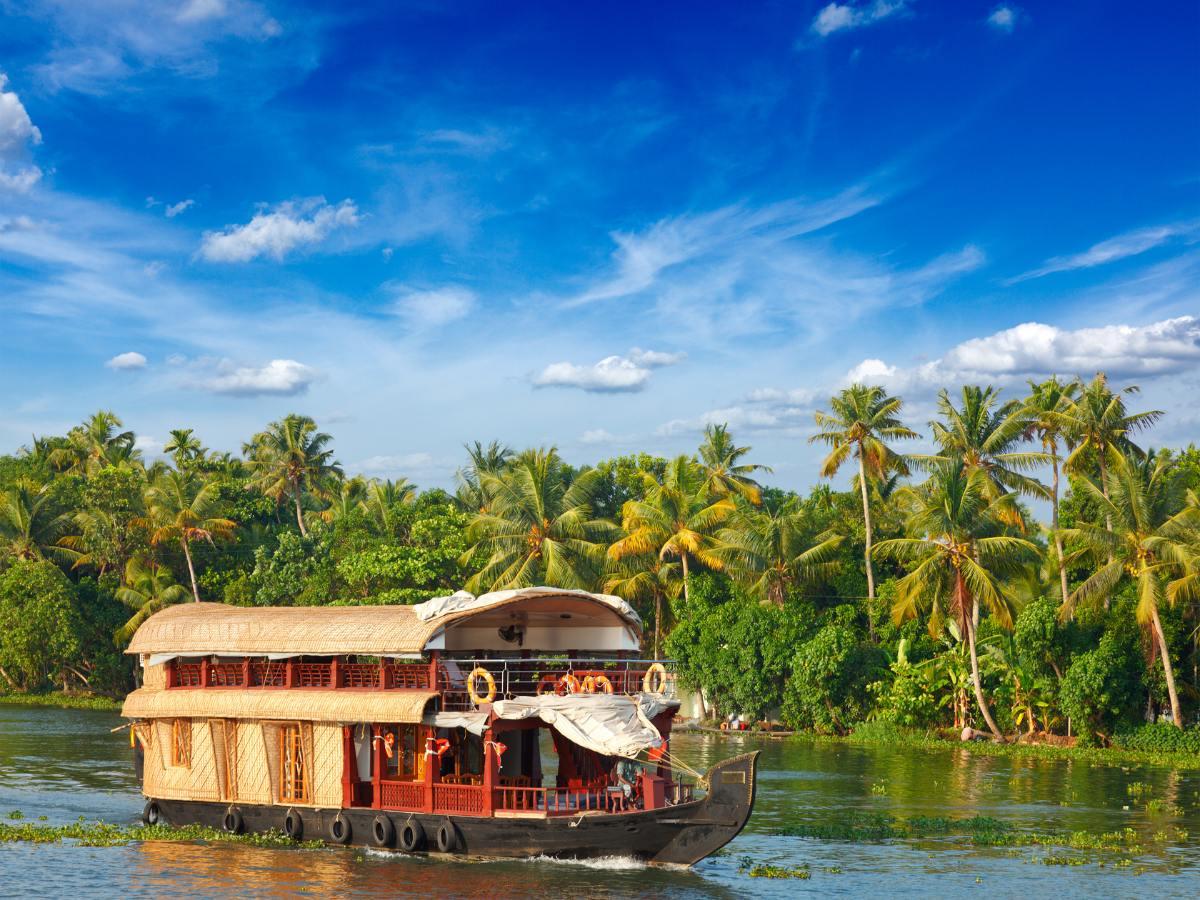
Solo travel adventure: Exploring the backwaters of Kerala
Why Kerala’s Tourism Potential Remains Untapped
Kerala’s diverse attractions—from Ayurveda retreats to wildlife sanctuaries—offer immense Kerala tourism potential. Yet, several factors hold it back:
- Infrastructure Shortfalls (Economic Factors): Poor road connectivity, limited international flights, and inadequate public transport make travel cumbersome. For instance, journeys between destinations can take hours due to subpar roads. Budget constraints and unspent funds for projects like the Destination Challenge hinder new developments.
- Political and Labor Issues (Political Factors): Frequent hartals (strikes) and trade union disputes disrupt travel plans, leading to cancellations and damaging Kerala’s image as a reliable destination. A single hartal can cost the economy hundreds of crores, with tourism bearing the brunt.
- Lack of Awareness and Sustainability (Awareness-Related Factors): Overtourism strains ecosystems, like shrinking Vembanad Lake due to pollution. Carrying capacity studies for hills like Wayanad are delayed, and there’s over-reliance on domestic tourists who spend less. Fodor’s 2025 “No List” included Kerala for these reasons, urging better management.
- Kerala, this small state in the southernmost part of India, is a rare confluence of natural beauty and cultural richness. The lush green backwaters, snow-capped mountains, golden beaches and unique Ayurvedic tradition combine to make Kerala a world-class tourist destination. “The state has many elements that make the epithet” “God’s Own Country” “meaningful.” However, despite possessing so much natural potential, the question whether Kerala is lagging behind in fully exploiting that potential is pertinent. Though the tourism sector has registered a remarkable growth, Kerala’s tourism development has been hampered by some fundamental challenges when compared to other states globally and nationally. This article comprehensively analyses the tourism potential of Kerala and the reasons why it is currently not being fully exploited.
- Kerala’s tourism potential is limitless. Kerala can leapfrog in various sectors such as beach tourism, health tourism, adventure tourism, cultural tourism and natural tourism.
- The famous backwaters are the hallmark of Kerala. Accommodation in houseboats plays a big role in attracting foreign tourists. Also, the tea gardens and spice plantations in areas such as Munnar, Thekkady and Wayanad offer great potential for hill tourism. In health tourism, Ayurvedic treatments have worldwide acceptance. Traditional methods of treatment and natural surroundings are helpful in this. Wildlife sanctuaries and bird watching centers open opportunities for eco-tourism. Places like Vagamon and Athirappilly also provide scope for adventure activities.
- However, some mistakes are made in marketing these possibilities on a large scale. For example, even though Ayurvedic treatment has world-class standards, more attention needs to be paid to its marketing and quality control globally.
- Better infrastructure is the most important factor for the growth of the tourism sector. These include roads, transport systems, hygienic public spaces and safe living facilities.
- The poor condition of roads in Kerala often hampers the growth of tourism. The poor condition of roads leading to major attractions adversely affects the travel experience. The lack of convenient public transport systems for foreign tourists forces them to rely on private vehicles, which increases costs and causes congestion.
- While there is progress in terms of airports, there is a need to improve connectivity at the local level. In the backwater tourism sector, there is often a lapse in the strict implementation of safety standards for houseboats. Also, it is noteworthy that we fail to control pollution. The filth in the backwaters and beaches ruin the image of the state in the eyes of the tourists. Unhygienic hotels and restaurants affect the credibility of the tourism sector.
- It is important to note that Kerala is lagging behind in efficiently transporting its tourism products to the global market. Compared to other tourist destinations, Kerala’s marketing approach is often traditional.
- Kerala’s potential in foreign markets, especially in Europe and North America, has not been adequately tapped. There is a need to increase the participation of the private sector along with government agencies in enhancing the brand value of ‘Kerala Tourism’.
- In today’s digital era, Kerala is lagging behind in social media marketing and presence on online platforms. There are few promotions aimed at specific types of tourism. For example, there is not much good publicity that can be done to promote adventure tourism. Also, special packages to attract tourists during the ‘off-season’ period need to be streamlined. In the post-flood crisis period, when there were high doubts at the international level about the safety of the state, effective responses could not be given in dispelling them.
- They are the face of the tourism sector. The quality of service of guides, hotel staff and tour operators determines the overall experience of tourists.
- Shortage of trained and multi-lingual manpower is a major problem in the tourism sector in Kerala. Local guides need to be trained in modern tourism practices and international standards of hospitality. The principle of ‘Atithi Devo Bhava’ should not be limited to just a slogan, but should be reflected in the activities of every tourism employee.
- In addition, the participation of local communities in the development of tourism has not been sufficiently ensured. Though ideas like homestay have been successful, there is still a lag in ensuring adequate training and rights for traditional workers.
- Delay in formulating tourism-friendly policies and their effective implementation is hampering the growth of the state. The bureaucracy in getting clearances for tourism projects and the delay in licensing procedures are deterring private investors.
- Though Kerala is trying to attract investment in the tourism sector, complexities in land acquisition and environmental clearances are sabotaging many big projects. For example, investors get tired of long waits when trying to start new resorts or recreation centers. Lack of consistency in policy making and frequent policy changes reduce the credibility in the market.
- It is the responsibility of the government to ensure the safety of tourists. Adequate police patrolling and security arrangements need to be ensured at major tourist destinations, especially on beaches and at night. We need to pay more attention to women-focused tourism.
- Also, Kerala’s tourism is largely dependent on traditional factors such as backwaters, beaches and monsoon. This results in ‘single product dependency’. When climate changes affect monsoon tourism, there is a huge drop in revenue. There is a need to further strengthen theme tourism and cultural heritage tourism. For example, the Cochin Port, the historical sites of the Travancore dynasty, the Christian and Muslim mosques in Kerala should all be given more attention to turn them into tourism products.
- Kerala’s tourism potential is dependent on nature. However, the development of tourism is often not environmentally friendly and is a setback in the long run. Illegal constructions in coastal areas, encroachments on backwaters and hill resort constructions pose a threat to sustainable development.
- We are going back to adopting eco-friendly models of tourism that do not exploit nature, but integrate with nature. Excessive tourist flow disrupts the ecological balance in some places (for example, Munnar). Without imposing strict restrictions on eco-sensitive areas, it will be a great loss to the future generation to go ahead with tourism revenue alone.
- It is an undeniable fact that Kerala has immense potential in the tourism sector. However, delays in infrastructure development, inefficient marketing strategies, lack of trained manpower, bureaucracy in policy making, security issues, and a disregard for sustainable development all prevent Kerala from fully exploiting this potential. To address these challenges, the government and the private sector need to jointly adopt farsighted, up-to-date and transparent approaches. “Only by ensuring greater consistency in tourism policies, strengthening marketing with modern technology, and ensuring local participation, can” “God’s Own Country” “achieve its rightful place on the global tourism map.”
To learn more about sustainable practices, check the official Kerala Tourism website.
Best Places to Visit in Kerala
Kerala offers a mix of serene and adventurous spots. Here are top picks:
- Backwaters (Alappuzha and Kumarakom): Cruise on houseboats through palm-fringed canals. Expect village life, birdwatching, and fresh seafood.
- Hill Stations (Munnar and Wayanad): Rolling tea plantations and misty peaks perfect for nature lovers.
- Beaches (Kovalam and Varkala): Golden sands, cliffs, and Ayurvedic spas for relaxation.

TEA GARDENS (2026) All You Need to Know BEFORE You Go (with Photos) – Tripadvisor
Activities: Trekking and Camping in Kerala
Adventure seekers can tap into Kerala’s untamed side:
- Trekking: Popular trails include Chembra Peak in Wayanad (moderate, 4-6 hours) and Meesapulimala in Munnar (challenging, 8-10 hours with rhododendron forests). Permits are required; book via local forest offices.
- Camping: Overnight stays in tents at sites like Vagamon or Periyar Tiger Reserve. Expect bonfires, stargazing, and wildlife sounds. Costs range from ₹1,500-₹5,000 per night, including meals.
Always prioritize eco-friendly operators to support sustainable Kerala tourism potential.
Best Time to Visit Kerala
The ideal period is October to March for pleasant weather (20-32°C). Monsoon (June-September) brings lush greenery but heavy rains, perfect for Ayurveda. Avoid peak summer (April-May) due to heat. For festivals like Onam (August-September), plan ahead.
What to Expect: Timings, Costs, and Tips
- Timings: Most attractions open 9 AM-5 PM; houseboat cruises start at noon. Trekking best early morning (6-8 AM) to avoid heat.
- Costs: Budget ₹5,000-₹10,000 per day for mid-range travel (accommodation, food, transport). Entry fees: ₹20-₹500 for parks.
- What to Expect: Vibrant culture, spicy cuisine (like sadhya), and warm hospitality. Pack light clothes, rain gear, and eco-friendly items. Be prepared for occasional disruptions due to Kerala tourism issues like strikes.
For recent updates on visitor stats, read this Times of India article on Kerala’s tourism growth.
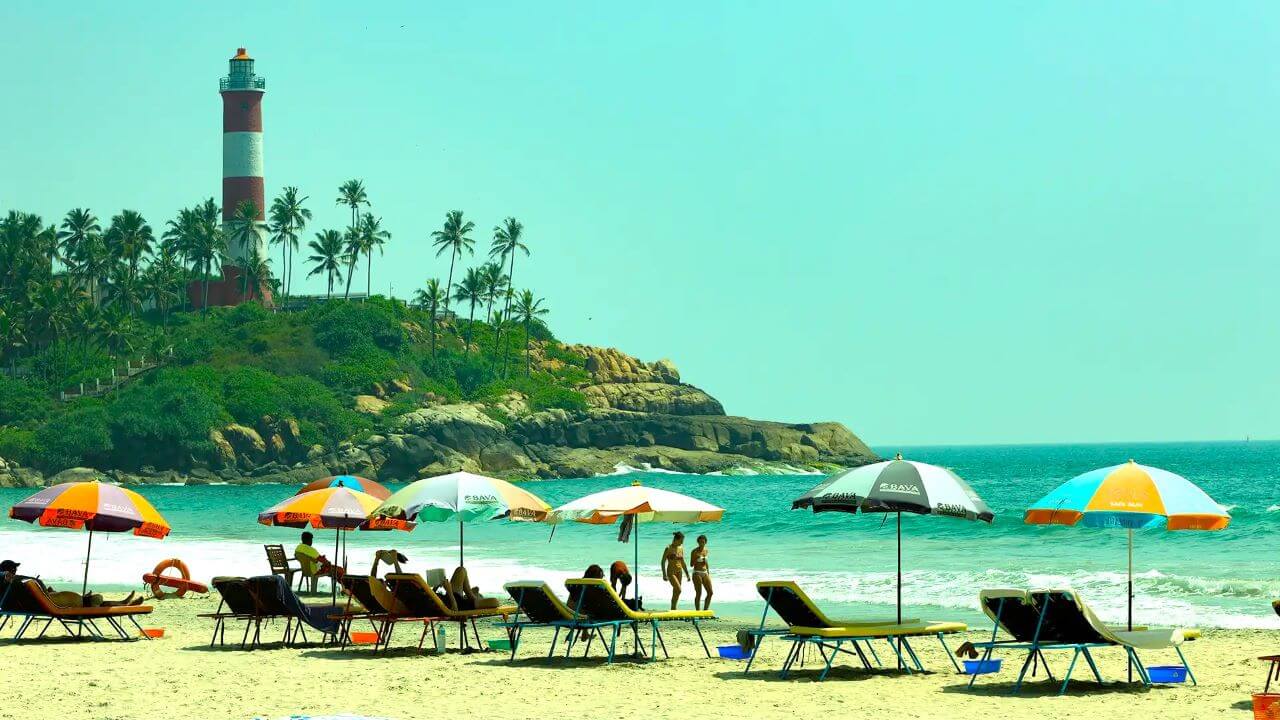
Discover Kovalam: Your Ultimate Guide to Kerala’s Pristine Beach Paradise
FAQs
What are the main challenges affecting Kerala tourism potential?
Infrastructure gaps, political strikes, and environmental overuse are key issues, leading to underutilization despite attractions like backwaters and hills.
Is trekking in Kerala suitable for beginners?
Yes, trails like Echo Point in Munnar are easy. For advanced, try Agasthyakoodam. Always go with guides and check weather.
When is the best time for camping in Kerala?
November to February for cool nights. Sites like Silent Valley offer permits; book in advance via Kerala Forest Department.
How can I contribute to sustainable tourism in Kerala?
Choose eco-resorts, avoid plastic, and support local communities. Follow “Leave No Trace” principles to preserve the Kerala tourism potential.
What should I pack for a Kerala trip?
Essentials include sunscreen, mosquito repellent, comfortable shoes for trekking, and light layers for varying climates.
#Kerala, #tourism, #India travel, #sustainable travel, #responsible tourism, #Kerala challenges, #travel tips, #adventure, culture, #backwaters, #beaches, #Kerala tourism challenges, #Kerala tourism development, #responsible tourism Kerala, #Kerala sustainable tourism, #Kerala adventure tourism, #Kerala culture tourism, #infrastructure Kerala tourism, #Kerala tourism policy, #best time to visit Kerala