
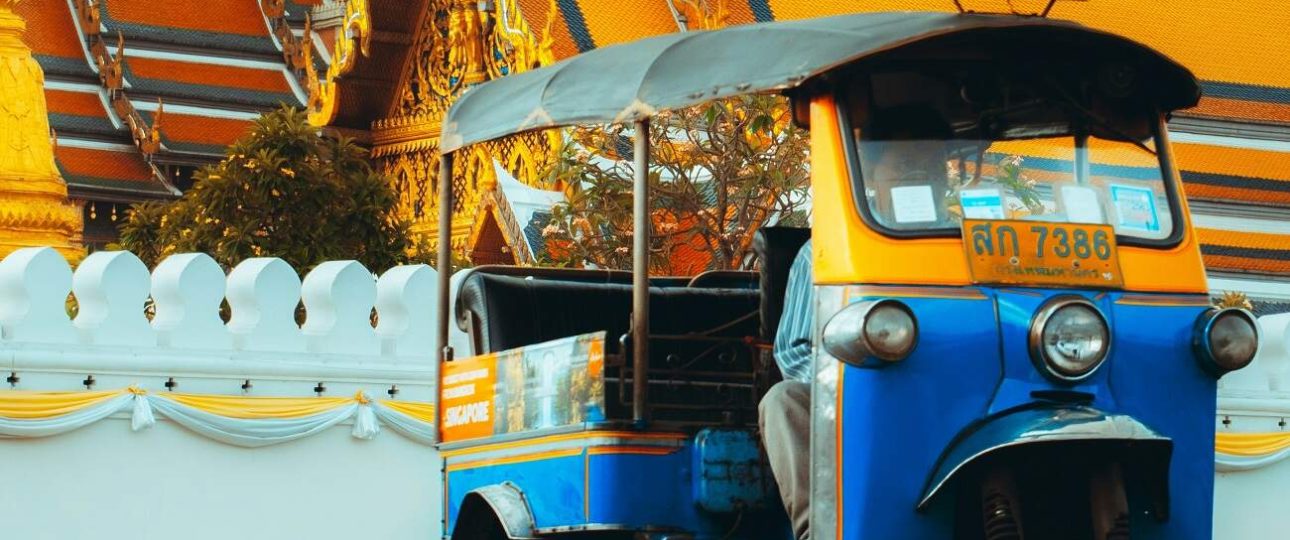
The Ultimate Guide to Tuk-Tuks: From Thailand’s Streets to Kerala’s Lanes
About Tuk-Tuk travel guide
The Tuk-tuk, a charismatic three-wheeled vehicle, is more than just a mode of transport; it is a cultural icon of the developing world ( Tuk-tuk travel guide ) . Originating from Japanese engineering and evolving through the streets of Thailand, it has become a global phenomenon. Known as the “Auto-rickshaw” in India, it serves as the lifeline of urban and rural commuting. This post delves deep into the sonic origins of its name, its historical trajectory from the 1950s, and its modern-day adaptations. We also provide essential insights for international travelers to navigate local price negotiations and avoid common scams, ensuring a seamless and authentic cultural experience.

The Symphony of the Streets: A Deep Dive into the World of Tuk-tuks
Introduction: The Sound that Defines a Continent If you close your eyes in the heart of Bangkok or the bustling intersections of Aluva, Kerala, one sound dominates the air: the rhythmic “tuk-tuk-tuk” of a three-wheeled engine. This distinctive staccato has given birth to a name recognized by travelers worldwide. The Tuk-tuk is the unsung hero of global tourism and local commerce, offering a raw, open-air experience that no air-conditioned taxi can replicate.
The Japanese Roots: A Post-War Evolution Contrary to popular belief, the Tuk-tuk’s journey didn’t begin in the tropics. It started in the industrial hubs of Japan. Post-World War II, companies like Mazda developed three-wheeled trucks to navigate narrow streets and transport goods efficiently. In the 1950s, these designs reached Thailand, where the “Samlor” (three-wheels) was fitted with engines, birthing the motorized Tuk-tuk we know today.
The Indian Identity: The Rise of the Auto-Rickshaw In India, particularly in states like Kerala, the Tuk-tuk is known as the ‘Auto.’ The Indian story is heavily influenced by the Italian Piaggio Ape and later perfected by Bajaj Auto. Today, India is not just a consumer but a leading exporter of these vehicles, shipping “Tuk-tuks” from factories in Pune to the streets of Egypt and Peru.
Navigating the Tourist Experience: Scams, Prices, and Pro-Tips For many international tourists, the first Tuk-tuk ride is a rite of passage. However, it can also be a source of anxiety.
- The Pricing Puzzle: In Thailand, negotiation is key as meters are non-existent. In India, while meters exist, many drivers prefer “fixed rates” for tourists.
- The Commission Scam: Beware of drivers offering “too good to be true” rates. Often, they are incentivized to take you to specific jewelry shops or tailors.
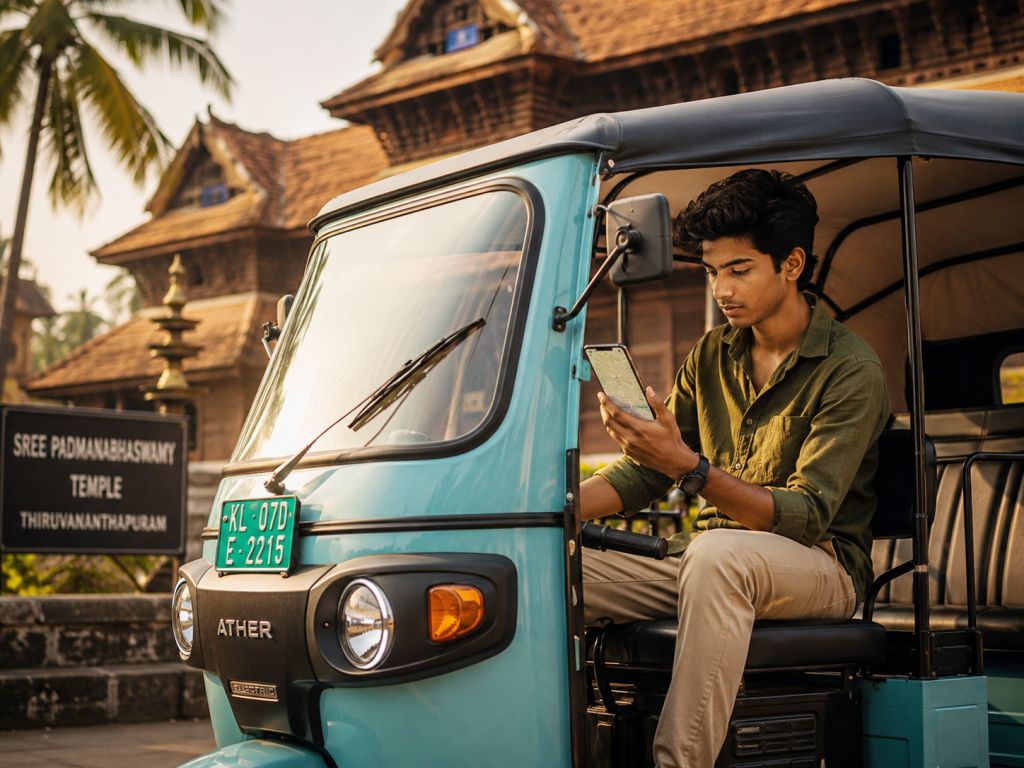
- The Digital Solution: Modern travelers now use apps like Grab (in SE Asia) or Uber/Ola (in India) to ensure fair pricing.
Environmental Shift: From Smoke to Silence The future of the Tuk-tuk is green. With the rise of electric vehicle (EV) technology, many cities are replacing noisy, polluting two-stroke engines with silent, eco-friendly electric motors. This transition is vital for preserving the air quality of historic cities.
Auto-rickshaw history, Tuk-tuk scams, Three-wheeler travel, Thailand Tuk-tuk culture, Kerala auto-rickshaw tips
Outward Links:
- Learn more about the history of Three-Wheelers on Wikipedia
- Discover Thailand’s Official Tourism Guide for Tuk-tuk safety
20x HashTags: #Tuktuk #TravelGuide #GodsOwnIndia #KeralaTourism #ThailandDiaries #AutoRickshaw #BudgetTravel #SoloTravel #ExploreTheWorld #CultureTrip #TravelTips #SustainableTravel #VibrantAsia #RickshawLife #StreetPhotography #BackpackerLife #GlobalTravel #HistoryOfTransport #TransportEvolution #LocalCommute #Tuk-tuktravelguide