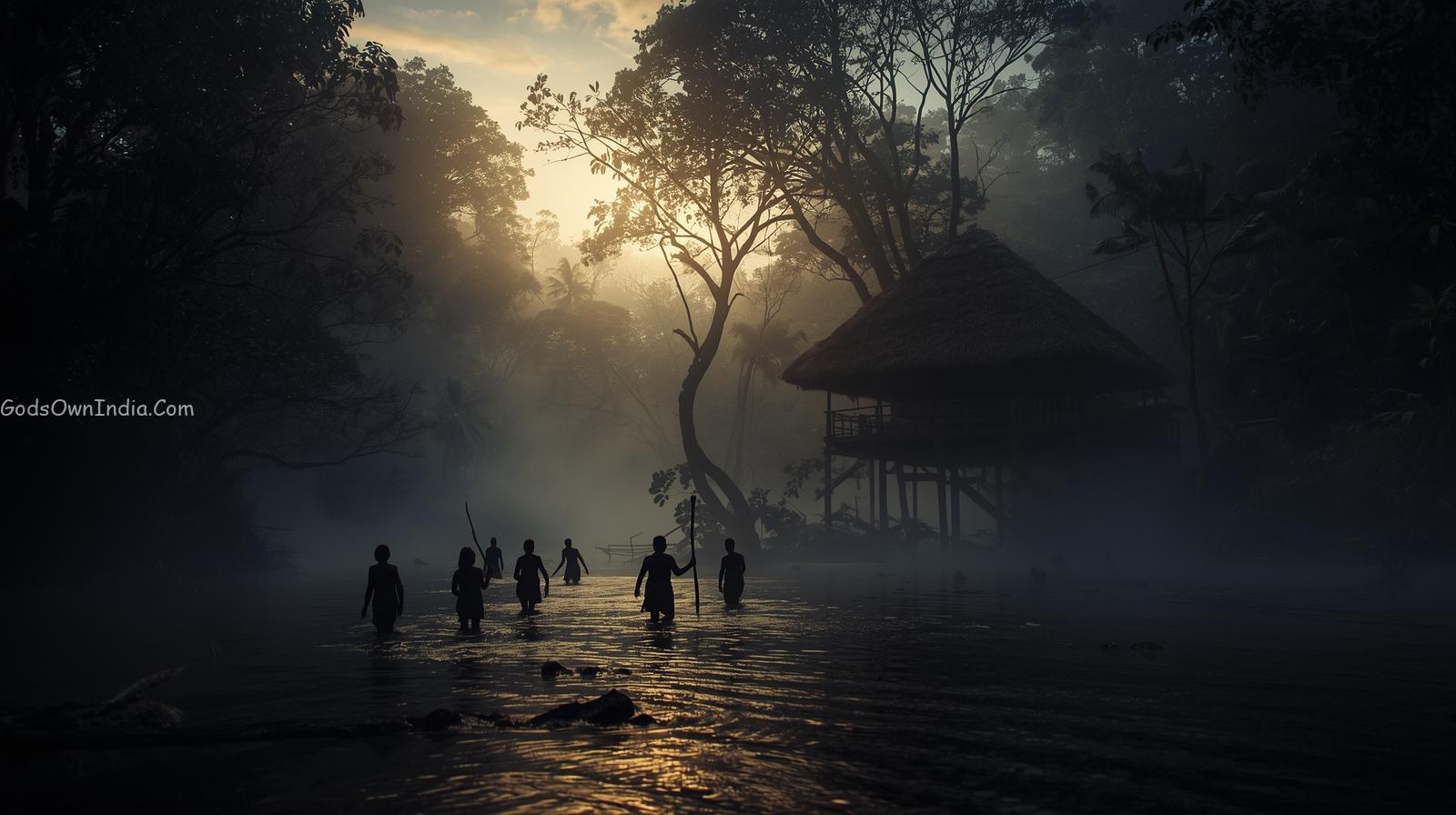
Fact vs. Fiction: Are There Still Cannibals in the World After ‘The Green Inferno’?
Watching Eli Roth’s The Green Inferno is a visceral experience. It depicts a group of student activists who fall into the hands of a ritualistic cannibalistic tribe in the Amazon. While the movie excels at gore, it leaves many viewers asking a chilling question: Does this actually happen in real life?
The Green Inferno: Plot & Inspiration
The Green Inferno (2013), directed by Eli Roth, follows naive NYC activists protesting Amazon deforestation who crash-land in the territory of a remote, hostile indigenous tribe. The tribe – portrayed as savage cannibals – captures, tortures, and gruesomely consumes them in graphic rituals. The film is an homage to 1970s-80s Italian “cannibal boom” exploitation movies like Cannibal Holocaust (which features a fictional film titled The Green Inferno).
Roth filmed deep in Peru using actors from a very remote village (no electricity, limited prior contact) as the “tribe,” but these were not uncontacted cannibals – they were local farmers shown Cannibal Holocaust to understand filmmaking.
Is The Green Inferno Based on a True Story?
No. It is pure fiction exaggerated for horror. Indigenous rights groups (Amazon Watch, Survival International, AIDESEP) strongly criticized it for reinforcing racist “savage Indian” stereotypes that justify violence and land theft against real uncontacted and isolated Amazon tribes (e.g., Nahua, Nanti, Matsiguenga in Peru).
Accusations against specific Amazon groups (e.g., Kulina/Culina in Brazil/Peru 2009 “eating farmer’s organs”) were denounced as false and slanderous by leading anthropologists who lived with the tribe – they have no history or tradition of cannibalism.
The Myth of the “Bloodthirsty Savage”
First, let’s clear the air. The portrayal of indigenous people as mindless man-eaters is a trope that dates back to colonial-era “cannibal films” of the 1970s. In reality, there is no evidence of any tribe today that hunts humans for food as depicted in the movies.
Where Does Ritual Cannibalism Exist?
While “dietary cannibalism” (eating humans as a food source) is non-existent, ritual cannibalism has been documented in history.
- The Korowai of Papua New Guinea: Often cited as the last remaining cannibals, the Korowai reportedly practiced cannibalism as a form of justice against “khakhua” (witch doctors) who they believed caused mysterious deaths. However, most anthropologists agree this practice has largely vanished as the tribe has gained more contact with the outside world.
- The Aghori Monks: In India, a small sect of Aghori monks is known to consume human flesh from cremated remains as part of a spiritual practice to transcend the physical body. This is a far cry from the “hunting” seen in The Green Inferno.
Cannibal Tribes in the Amazon Today?
Zero confirmed organized, habitual cannibal tribes matching the movie’s aggressive, outsider-eating village exist in 2026 (or recent decades). Most Amazon indigenous groups are peaceful, hunter-gatherers or farmers; uncontacted tribes avoid outsiders aggressively for survival (disease, exploitation), not routine cannibalism. Historical ritual/war cannibalism existed among some groups (e.g., past Wari’, Tupi) but ended generations ago.
Isolated Tribes Today
There are over 100 “uncontacted” tribes globally, mostly in the Amazon Basin and the Andaman Islands (like the North Sentinelese). These groups are fiercely protective of their territory—not because they want to eat outsiders, but because they are protecting their way of life and are vulnerable to modern diseases.
Verdict: Should You Be Worried?
If you are planning a trip to the Amazon, you are in no danger of being put in a pot. The real “Green Inferno” for indigenous tribes isn’t the people they encounter, but rather the illegal logging, mining, and habitat destruction that threatens their existence.
Real Historical & Lingering Cases: Papua New Guinea
Most credible modern-era reports come from Papua New Guinea highlands:
- Fore people: Endocannibalism (eating deceased relatives’ brains) spread kuru (prion disease like mad cow) until Australian administration banned the practice ~1960. Last kuru deaths occurred decades later due to long incubation; ritual stopped.
- Korowai (Indonesian Papua/West Papua): Famous for treehouse villages; some 1990s-2010s reports of eating “khakhua” (sorcerer witches). Anthropologists/Smithsonian reporters noted claims, but practices have declined sharply due to missionaries, Indonesian authorities, and possible tourism exaggeration. Isolated clans may retain stories, but widespread cannibalism is disputed and largely past.
- Asmat: Historical headhunting/cannibalism (revenge cycles); largely abandoned post-1950s missionaries; Michael Rockefeller disappearance (1961) debated but not proven cannibalism.
North Sentinel Island (India): Extremely hostile to outsiders (kill intruders), but no evidence of cannibalism – persistent myth debunked.
Modern Cannibalism: Rare Criminal & Survival Cases
Today’s cannibalism is overwhelmingly individual:
- Serial killers/psychiatric (e.g., Jeffrey Dahmer, Armin Meiwes, Rotenburg cannibal).
- Rare survival (Andes 1972, Donner Party).
- Sensational crimes (Brazil human-flesh empanadas 2012; South Africa “cannibalism ring” 2017; isolated PNG/Africa incidents).
No tribal-scale practice in 2024-2026 reports; recent “cannibal tribe” influencer videos face backlash for exploitation & sensationalism.
Why These Myths Persist & Why They Harm
Colonial-era “cannibal savage” tropes justified conquest. Today, they endanger isolated tribes by portraying them as threats rather than victims of deforestation, mining, logging, disease, and forced contact. Real “inferno” for Amazon tribes: land loss threatening uncontacted peoples’ survival.
Conclusion
The cannibals of The Green Inferno are cinematic nightmare fuel – not reality. Cannibal tribes today? No large-scale Amazon horror-village equivalents exist. Isolated historical/ritual echoes in PNG are fading or disputed. Support legitimate conservation, respect no-contact policies, and consume horror responsibly. The real story is protecting the world’s last isolated peoples from modern threats.
Isolated tribes still exist, but the “bloodthirsty cannibal” trope is largely a myth. While there are historical accounts of ritualistic cannibalism in places like Papua New Guinea (the Korowai people) or among certain groups in the Amazon, it is extremely rare today and almost never practiced in the aggressive, predatory way shown in the film. Most modern instances are either ritualistic (honoring the dead) or have long since ceased due to outside contact.
Sources & Further Reading: Anthropological studies, Survival International, Wikipedia overviews (human cannibalism, kuru), Smithsonian, Amazon Watch reports.
#The Green Inferno, #Eli Roth, #cannibal tribes today, #Amazon cannibal tribe, #Korowai cannibals, #Fore tribe kuru, #modern cannibalism, #uncontacted tribes, #Papua New Guinea cannibalism, #indigenous rights, #Cannibal Holocaust , #The Green Inferno true story, #isolated tribes, #Korowai people, #Amazon rainforest tribes, ritual cannibalism , #The Green Inferno, #Cannibalism, #Anthropology, #Isolated Tribes, #Amazon Rainforest, #Fact vs Fiction.