

Thailand Visa for Indians 2026: The Ultimate Master Guide to New Rules, Fees, and Mandatory TDAC Security Requirements
About Thailand Visa for Indians 2026 : This comprehensive travel document serves as an international roadmap detailing the critical shifting regulations surrounding the Thailand visa for Indians 2026 operational pathways. Navigating sudden transitions between prolonged visa-free exemptions and strict Visa on Arrival frameworks presents severe challenges for global backpackers, families, and short-term tourists originating from transit hubs like Kerala, India. By addressing digital pre-screening frameworks, strict cash liquidity checkpoints, and systemic flight boarding guidelines, this definitive guide transforms complex border rules into actionable, life-saving travel strategies. It ensures global readers avoid devastating airline rejections while fostering stress-free, boundary-pushing adventures across the cultural landscapes and coastal expanses of dynamic Thailand.
The global travel landscape is shifting rapidly, and for wanderers looking out from the coastal expanses of Kerala toward the tropical coastlines of Southeast Asia, the horizon demands a sharp new perspective. If you are a traveler from India plotting your next cross-border voyage, the legendary “Land of Smiles” is likely sitting at the very top of your bucket list. Pristine shorelines, buzzing night markets, ancient temples, and aromatic street food stalls make it an irresistible haven.
However, crossing international borders safely and smoothly requires more than just an adventurous spirit and a packed suitcase. In 2026, the Thai Ministry of Foreign Affairs and the Immigration Bureau executed a major structural overhaul of their border controls.
For Indian passport holders, this means old travel blogs, outdated vlogs, and pre-pandemic assumptions will no longer cut it. If you try to board a flight from Cochin International Airport (COAL) or any major Indian hub using last year’s visa checklists, you risk facing a heartbreaking, expensive denial of boarding right at the check-in counter.
This exhaustive master guide breaks down the complex legal shifts, dynamic fee updates, unexpected financial vetting systems, and the newly enforced digital health and safety frameworks.
Whether you are an 18-year-old backpacker from Ernakulam planning an budget-friendly trip with friends, or a family plotting a luxury retreat in Phuket, this article will keep you safe, informed, and completely prepared.
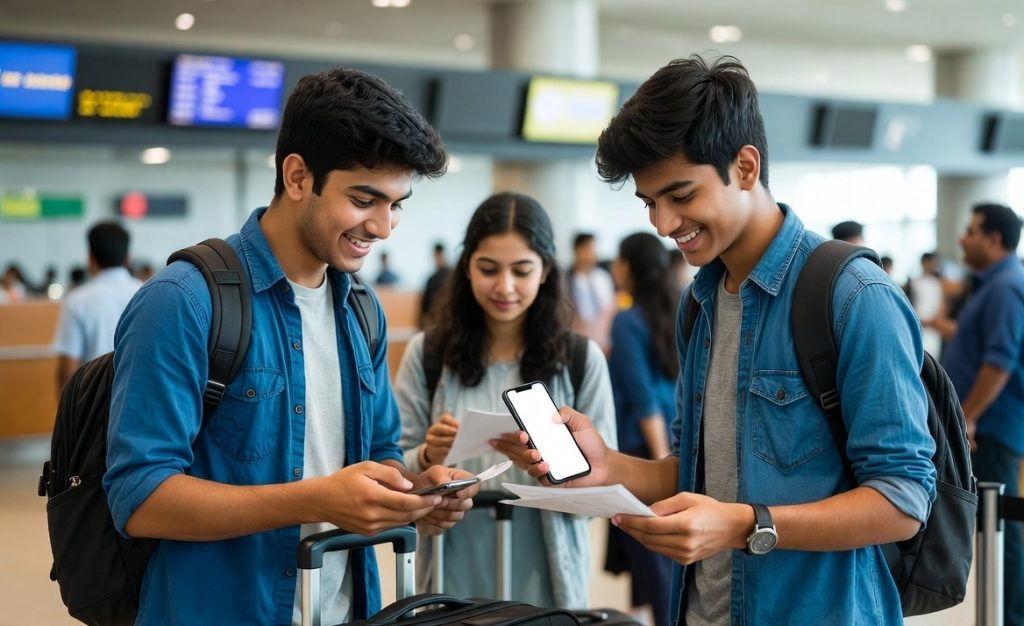
The Legal Reality: Decoding the May 2026 Cabinet Realignment
To understand why these changes are happening, one must look at the macroeconomics of global tourism and national security. For a long time, Thailand utilized temporary visa-exemption windows to aggressively reboot its tourism sector following global market disruptions. These rolling extensions allowed Indian passport holders to land without paying fees or processing prior visas, granting stays up to 30 or 60 days.
On May 19, 2026, the Thai Cabinet approved a sweeping immigration restabilization directive. This policy shift was not designed to discourage tourists, but rather to establish a sustainable, digitally trackable ecosystem to manage the millions of visitors entering the country each month. Under this framework, India is transitioning back into the standard, legally anchored Visa on Arrival (VoA) registry.
What does this mean for your immediate travel timeline? Immigration directives undergo a multi-stage enforcement process. A policy is approved by the Cabinet, but it only becomes enforceable 15 days after its official publication in the Royal Thai Government Gazette. During this brief buffer zone, elements of the previous 60-day visa exemption remain operational at certain border checkpoints.
However, relying on a closing legal window is incredibly risky. Border control officers hold absolute unilateral authority at the gate. Therefore, processing your journey under the absolute assumption that you must meet either strict VoA guidelines or carry a pre-arranged electronic visa is the only way to guarantee a smooth entry.
Choosing Your Path: The Two Entry Options for Indians
Your itinerary dictates your legal entry strategy. You must choose between speed and duration before booking non-refundable resort stays or regional commuter flights.
Option 1: The Visa on Arrival (VoA) Pathway
The VoA is designed exclusively for short-term vacationers, spontaneous backpackers, and quick business-conference attendees.
- Maximum Permitted Stay: Exactly 15 days. This date is non-negotiable. Local immigration offices inside Thailand will not grant extensions on a VoA stamp unless you experience a certified medical emergency.
- The Financial Cost: A flat rate of THB 2,000 (approximately ₹4,500 to ₹5,900 depending on sharp, daily currency fluctuations).
- Critical Gate Rule: This fee must be paid in physical Thai Baht cash at the immigration enclosure upon landing. Officers do not accept credit cards, international mobile wallets, Indian Rupees, or US Dollars at the standard processing desks.
Option 2: The Pre-Arranged Tourist e-Visa
If your goal is deep cultural immersion, digital nomad exploration, or slow travel through the mountain passes of Chiang Mai down to the islands of the Andaman Sea, you must secure your visa prior to departure.
- Maximum Permitted Stay: Up to 60 days from your date of entry.
- Extension Eligibility: This visa can be extended once for an additional 30 days by visiting a local Thai Immigration office (such as the main complex in Chaeng Watthana, Bangkok) and paying an extension fee of THB 1,900.
- The Processing Cost: Approximately ₹3,000 when filed independently through the official Thailand E-Visa Official Portal. Processing times typically range from 3 to 7 working days, meaning you must plan well ahead of your flight.
The Uncompromising Border Checklist: Six Non-Negotiable Items
When you step up to the immigration desk at Suvarnabhumi Airport in Bangkok or international terminals in Phuket and Don Mueang, you must present a highly specific physical dossier. Thai border security has systematically tightened entry checks to filter out unauthorized long-term workers.
Assemble the following items into a dedicated travel folder before heading to the airport:
1. Six-Month Passport Validity
Your passport must possess at least six full months of validity remaining from the exact day you touch down on Thai soil. Furthermore, ensure your passport has at least two completely blank, un-stamped pages facing each other to accommodate the large physical adhesive entry and exit stamps.
2. Confirmed Onward or Return Flight Documentation
You must show a printed, confirmed round-trip airline ticket or an onward ticket proving you are exiting Thailand within your legally permitted stay. If you enter via Visa on Arrival, your return ticket must show a departure date no later than day 15. Fake itineraries, unconfirmed reservations, or open-ended booking references will result in an immediate turnaround.
3. Bulletproof Accommodation Vouchers
You must provide verifiable proof of where you will sleep every night of your stay. This means carrying printed hotel vouchers, hostel booking confirmations, or certified Airbnb rental agreements matching the dates of your itinerary. If you are staying with a friend or relative, you must present a signed invitation letter alongside a copy of their Thai identification card or local lease agreement.
4. Precision Passport Photographs
For those utilizing the VoA desks, you must bring a physical, un-smudged color photograph measuring exactly 4×6 cm. The photograph must feature a clean white background, show your full face without headgear (except for religious garments), and must have been taken within the last six months.
5. Verified Proof of Financial Liquidity
This is the step that trips up most modern, card-reliant travelers. Thai law requires inbound tourists to prove they can financially support themselves without seeking local employment.
- Individual Travelers: Must hold a minimum of THB 10,000 in physical cash (approx. ₹23,000 to ₹25,000).
- Families Traveling Together: Must hold a minimum of THB 20,000 in physical cash (approx. ₹46,000 to ₹50,000).
While immigration officers accept equivalent values in major global currencies like US Dollars or Euros, they frequently reject digital bank statements, banking apps, or international credit cards as proof of immediate liquidity. Carrying the physical cash note currency is your shield against arbitrary deportation.
6. The Thailand Digital Arrival Card (TDAC) QR Code
This is the newest, most critical addition to the border routine. The TDAC is a mandatory digital screening system designed to streamline arrival tracking and enhance border security. Without it, you will be stopped from boarding your plane at the gate in India.
Step-by-Step Blueprint: Mastering the Mandatory TDAC System
The Thailand Digital Arrival Card (TDAC) has entirely replaced the old, blue paper arrival/departure cards that flight attendants used to hand out mid-flight. This process must be completed online within 72 hours prior to your scheduled departure. Follow this exact sequence to ensure your application passes screening without delay:
1.Navigate to the Verified Government Terminal:72 Hours Prior to Takeoff.
Open your web browser and access the secure portal directly at tdac.immigration.go.th. Avoid searching generic terms on public search engines to protect yourself from predatory broker websites that look official but charge service fees. The genuine government TDAC platform is completely free to use.
2.Populate Personal Data and Input Critical Flight Parameters:Document Alignment Phase.
Enter your legal name exactly as it appears on your passport data page. Carefully fill in your flight number (e.g., AK-54 or FD-171), exact arrival date, and the specific postal code and address of your primary hotel or resort stay. Accuracy here is crucial, as the system automatically cross-references these details with flight manifests.
3.Verify Entry and Generate Your Unique TDAC QR Code:Instant Verification Check.
Review all entered fields for typos. Submit the form to trigger the system’s automated validation loop. Within seconds, the portal will generate a high-resolution, personalized TDAC QR Code directly on your screen.
4.Secure Digital Backups and Print a Physical Copy:Final Airport Verification.
Take a high-quality screenshot of the QR code and save it to your phone’s offline photo album or digital wallet. For safety against unexpected battery drain or device failure, print out a physical copy on crisp white paper. Present this document to your airline’s check-in agent at your departing airport in India and to the immigration officer upon arrival in Thailand.
Logistics and Financial Hacks for Travelers from Kerala
Navigating a trip from cities like Aluva or Ernakulam to the bustling streets of Bangkok involves specific local logistics. Flying out of Cochin International Airport (COK) offers excellent connectivity through regional carriers, but maximizing your travel budget requires a smart financial approach.
The Cash Conversion Strategy
A common mistake made by travelers departing from Kerala is exchanging their entire trip budget into Thai Baht at local airport currency exchange counters in India. These kiosks typically charge steep commissions and offer poor conversion rates.
To maximize your money, use a two-tiered conversion strategy:
- Pre-Departure: Visit a licensed foreign exchange bank or an authorized dealer in Ernakulam city before your trip. Exchange just enough Indian Rupees to secure the THB 2,000 required for your Visa on Arrival fee, plus an extra THB 1,000 for airport transport and a local SIM card.
- On Arrival: Carry clean, un-torn, high-denomination Indian currency notes (the ₹500 denomination) or crisp US Dollar bills into Thailand. Once you pass through customs, look for authorized local currency exchange booths like SuperRich or major local bank counters (such as Kasikorn Bank or Siam Commercial Bank) inside the city. These local spots offer significantly better exchange rates than airport kiosks.
Leveraging the Power of Multi-Currency Forex Cards
While physical cash is mandatory for passing immigration checks, carrying thousands of Baht in your pocket during your entire holiday is a safety risk. For daily expenses like dining, shopping, and booking regional tours, use an international multi-currency Neo-Banking card or a traditional bank Forex card.
Many modern financial platforms offer zero-markup international ATM withdrawals. This allows you to pull cash directly from local Thai ATMs as you go, keeping your money secure while ensuring you get real-time wholesale interbank exchange rates.
Proactive Safety: Protecting Your Health and Travel Investment
Beyond visas and cash requirements, a truly successful international trip requires a smart safety net. Travel changes rapidly, and being caught unprepared can derail an otherwise perfect vacation.
The Reality of International Healthcare Costs
While Thailand does not legally mandate travel medical insurance for standard tourist visas, skipping this step is a massive gamble. Thailand boasts world-class medical facilities, particularly private hospital networks like Bangkok Hospital or Bumrungrad International. However, treating a sudden illness, a severe scooter mishap on the steep roads of Koh Samui, or an unexpected bout of tropical food poisoning can easily cost thousands of dollars out of pocket.
Before boarding your flight from Cochin, secure a comprehensive international travel insurance policy. Ensure the plan explicitly covers:
- Emergency medical evacuation and hospitalization.
- Adventure activities (if you plan on scuba diving in Tao or riding motorbikes along the Mae Hong Son loop).
- Trip cancellations, flight delays, and lost or delayed baggage.

Thailand Digital Arrival Card TDAC, Thailand Visa on Arrival fee 2026, Bangkok entry requirements for Indian citizens, Kochi to Thailand travel checklist, Thai immigration latest updates 2026
Staying Updated via Official Global Channels
Immigration rules are dynamic, influenced by international relations, public health tracking, and domestic policy shifts. To keep your travel knowledge completely accurate, always cross-reference public travel rumors with official government sources.
For the most authoritative, up-to-date announcements, check the official releases from the Ministry of Foreign Affairs of the Kingdom of Thailand, or contact the Royal Thai Embassy in New Delhi and the Royal Thai Consulate-General in Chennai, which directly oversees travel jurisdictions for southern states like Kerala.
Tags / 20x HashTags: #ThailandVisa2026, #IndianTravelers, #ThailandTourism, #VisaOnArrival, #TDACForm, #TravelGuide2026, #GodsOwnIndia, #KochiToBangkok, #PhuketDiaries, #SoutheastAsia, #ImmigrationUpdates, #TravelTips, #BudgetBackpacking, #Wanderlust2026, #KeralaTravelers, #FlyFromCochin, #BangkokTravel, #VisaFreeUpdate, #TravelSmart, #ExploreThailand #Thailand Visa for Indians 2026
Final Golden Rules for a Flawless Thailand Vacation
To wrap it all up, let’s distill this comprehensive guide into a quick, golden rule checklist. If you stick to these points, your entry into Thailand will be smooth, predictable, and stress-free:
- Never Assume: Double-check the current status of the Royal Gazette timelines before your departure date.
- Respect the 15-Day Limit: If you choose the Visa on Arrival option, ensure your return flight drops you back in India before midnight on the 15th day.
- Keep Cash Visible: Keep your THB 10,000 or THB 20,000 cash requirement easily accessible in your carry-on bag, not packed away in your checked luggage.
- Complete the TDAC Early: Do not wait until you are sitting in the airport departure lounge to fill out your digital arrival card; complete it a full 48 to 72 hours before your flight.
- Print Everything: While we live in a digital age, immigration officials appreciate physical paperwork. Having printed copies of your passport data page, hotel bookings, return tickets, and your TDAC QR code will save you precious time at the border.
By sharing this vital blueprint with your fellow globetrotters, friends, and family, you help build a safer, smarter community of international travelers. Pack your bags thoughtfully, secure your digital assets, and step onto your flight with the confidence of a true travel expert!