Why India is the Spiritual Heart of the World
India is not just a country on a map; it is a profound spiritual experience. Often referred to as the “Mother of Religions,” this ancient land has nurtured faiths that guide billions today. At godsownindia.com, we delve into why this nation is uniquely positioned as the spiritual capital of the planet.
1. The Cradle of Four Major Faiths
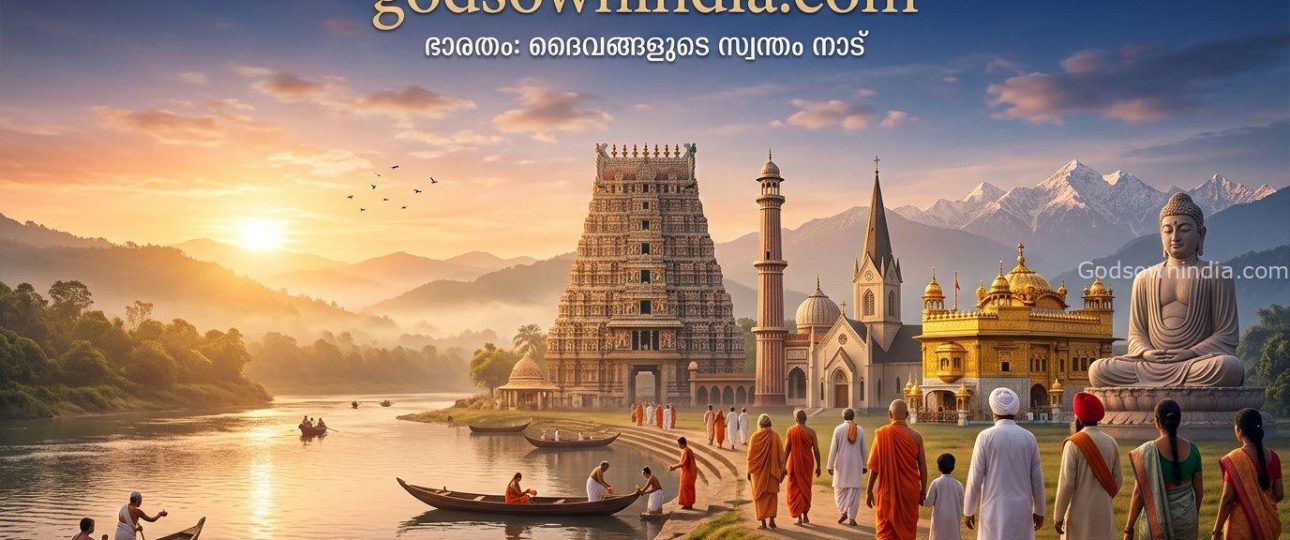
India is the birthplace of four of the world’s major religions: Hinduism, Buddhism, Jainism, and Sikhism. While many civilizations built empires of stone, India built empires of the spirit. The concept of Dharma (righteousness) originated here, offering a universal code of ethics that transcends borders.
2. A Sanctuary for Global Beliefs
What makes India the “Mother” is her ability to adopt and protect. When Zoroastrians fled Persia or when early Christians and Jews sought refuge, India opened its arms. This “Unity in Diversity” is a living testament to the Indian philosophy of Vasudhaiva Kutumbakam (The World is One Family).
3. The Land Where Nature is Divine
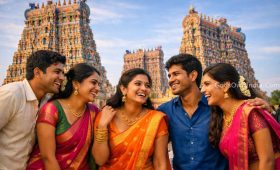
In India, the divine is not distant. It is found in the flow of the Ganges, the silence of the Himalayas, and the shade of the Banyan tree. This sacred connection between nature and divinity is what makes every corner of the country feel like “God’s Own India.” ## 4. Science Meets Spirituality From the intricate architecture of South Indian temples to the meditative practices of Yoga and Ayurveda, India’s spiritual contributions are deeply scientific. They focus on the well-being of the body, mind, and soul, attracting seekers from every corner of the globe.
Conclusion
To visit India is to return to the source of human faith. Whether you are walking through the ghats of Varanasi or meditating in a monastery in Ladakh, you are witnessing the heartbeat of the Mother of Religions.
#Incredible India, #Spirituality, #Hinduism, #Buddhism, #Jainism, #Sikhism, #Travel India, #Religious History, #Spiritual history of India, #Indian philosophy, #Gods Own India, #cradle of civilization, #Indian religious diversity