Beyond the Coils: A Respectful Look at Kayan Culture and Identity
The striking images of Kayan women adorned with elaborate brass neck coils have captivated global attention for decades. Yet, behind this iconic visual lie deep cultural narratives of identity, beauty, and resilience. This post aims to move beyond curiosity, offering an educational and respectful perspective on the Kayan people, their traditions, and the challenges they face.
The Sacred Symbolism of the Brass Coils
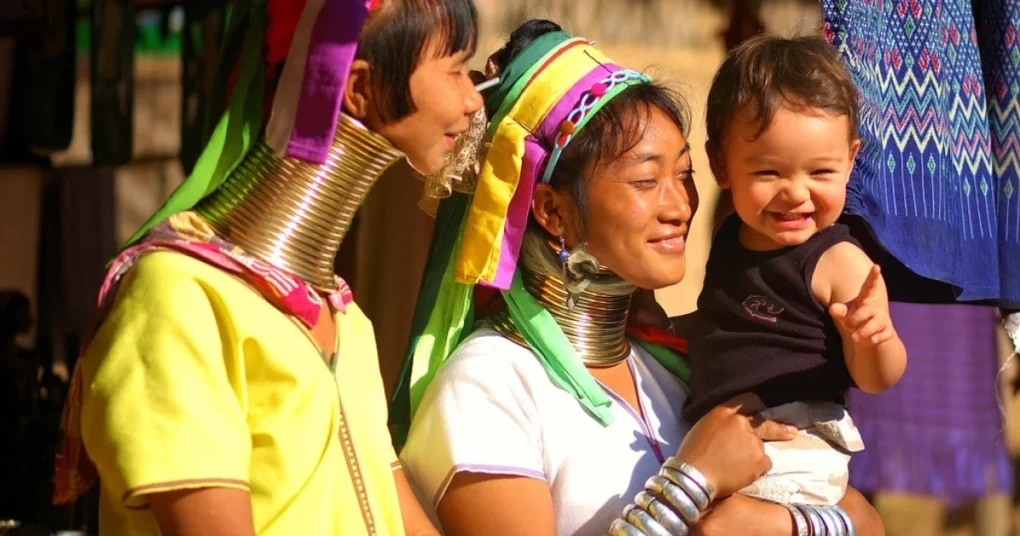
Perhaps the most recognized cultural marker of the Kayan Lahwi (a sub-group of the Karenni people), these brass coils are deeply significant.
- Dispelling Myths: A common misconception is that the coils physically lengthen the neck vertebrae. In reality, the weight of the coils (which can exceed 20 pounds) presses down on the collarbone and rib cage, compressing them. This creates the visual illusion of an elongated neck.
- A Rite of Passage: The practice is a long-standing tradition, usually beginning around age five. As a girl grows, her coils are replaced with longer ones, symbolizing her journey through life.
- Identity and Status: While historical reasons are debated (including protection against tiger attacks or preventing slave raids), today, the coils are primarily a symbol of beauty, status, and commitment to preserving Kayan cultural heritage. Wearing them is a matter of profound personal and communal pride.
The Story of Thanaka: More Than Just Makeup
You may notice the unique yellowish-white paste applied in striped patterns to the cheeks of many Kayan women. This is Thanaka, a natural cosmetic used in Myanmar for over 2,000 years.
- Traditional Application: It is made by grinding the bark of specific Thanaka trees against a flat stone slab with a few drops of water.
- Natural Protection and Skincare: Thanaka is much more than decorative. It serves as a natural sunscreen (essential in a tropical climate), cools the skin, acts as an astringent to treat acne, and is believed to have antiseptic properties. Its use is an everyday ritual, offering a connection to ancestral knowledge of local botany.
A Living Culture, a Resilient People
The Kayan people originate from Kayah State in Myanmar. Decades of conflict and political instability forced many Kayan families to seek refuge across the border in Thailand (specifically in Mae Hong Son province).
Today, Kayan communities navigate the complexities of life in refugee camps or designated tourism villages. Many rely on the sale of traditional textiles—which they weave with incredible skill on backstrap looms—and the responsible curiosity of visitors to generate an income. When visiting or engaging with Kayan culture, it is crucial to approach with respect, supporting local artisans directly.
By understanding the history, functionality, and pride behind traditions like the neck coils and Thanaka, we can appreciate the rich tapestry of Kayan culture as a testament to identity and resilience, rather than just a spectacle.
#Kayan, #Myanmar, #Thailand, #Traditions, #Cultural Identity, #Neck Rings, #Thanaka, Education, #Cultural Preservation , #Kayan long-neck women, #brass neck coils tradition, #Thanaka face paste history, #Kayan people Myanmar Thailand, #responsible tourism #Kayan village.