Snake Wine Vietnam: Exotic Drink Guide
If you’re an adventurous traveler heading to Vietnam, snake wine Vietnam (known locally as Rượu Rắn) is an experience you won’t forget. This traditional Vietnamese drink, made by infusing whole venomous snakes in rice wine or grain alcohol, is steeped in folklore and believed to offer medicinal benefits like improved vitality and virility. In this guide, we’ll explore everything from its history to how to try it safely, including practical travel tips for incorporating it into your Vietnam itinerary.
What is Snake Wine?
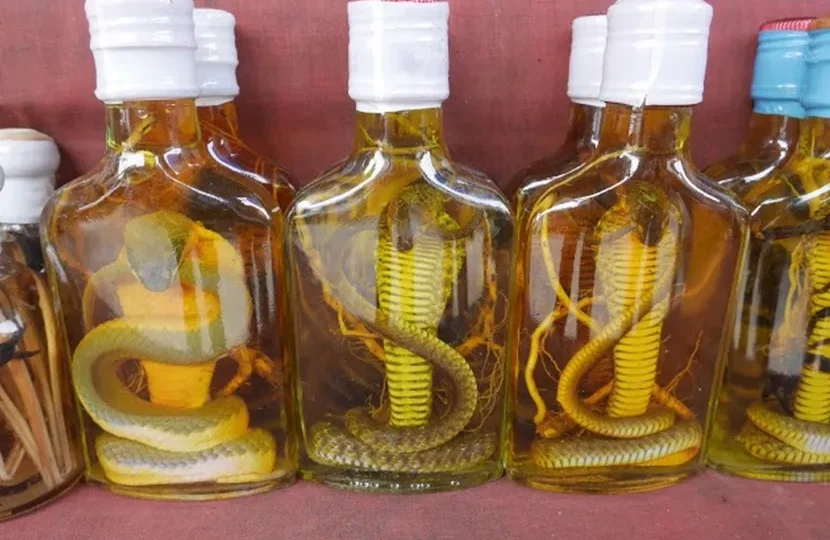
Snake wine Vietnam is a potent alcoholic beverage where live or preserved snakes—often cobras, vipers, or sea snakes—are steeped in rice wine for months or years. The venom is neutralized by the alcohol, and the infusion is said to extract essences that promote health. Variations include additions like scorpions, geckos, herbs, or even ginseng for extra potency. It’s not just a drink; it’s a cultural artifact rooted in traditional medicine.
For more on the science and varieties, check out the Wikipedia page on snake wine
History and Cultural Significance
Originating from ancient Chinese medicine and adopted in Vietnam centuries ago, snake wine is tied to beliefs in “yang” energy—boosting strength and libido. In Vietnamese culture, it’s often consumed by men for virility, but tourists of all backgrounds try it for the novelty. It’s commonly found in rural villages and urban markets, symbolizing Vietnam’s blend of tradition and tourism.
Best Time to Visit for Snake Wine Experiences
The ideal time to visit Vietnam for snake wine is during the dry season, from November to April in the north (like Hanoi) and December to April in the south. This avoids rainy weather that could disrupt market visits. Peak tourist season aligns with Tet (Vietnamese New Year) in January/February, when markets buzz with energy, making it a great time to sample local delicacies.
Where to Find and Try Snake Wine
Snake wine is ubiquitous in Vietnam’s markets and specialty shops. Top spots include:
- Hanoi Old Quarter: Bustling stalls at Dong Xuan Market offer bottles starting at $10–20.
- Ho Chi Minh City: Ben Thanh Market for tourist-friendly versions.
- Rural Villages: Places like Le Mat Snake Village near Hanoi, where you can see live snake handling (timings: 8 AM–6 PM daily).
Timings for markets: Most open from 6 AM to 8 PM, with peak hours in the morning for fresh selections. If you’re into adventure, consider a day trip to snake farms— no trekking required, but rural paths offer light walks.
What to Expect When Tasting Snake Wine
Expect a strong, earthy flavor with herbal notes—think whiskey mixed with medicinal herbs. The alcohol content ranges from 30–50%, so sip slowly! Many describe it as bitter with a snake-like aftertaste. Health claims include pain relief and energy boosts, but consult a doctor if you have concerns. What to expect visually: Bottles with coiled snakes staring back—intimidating but fascinating.
Trekking and Camping Near Snake Wine Sources
While snake wine isn’t a hiking activity, you can combine it with light trekking in rural areas. In northern Vietnam’s Mai Chau Valley, trek through rice paddies (easy 2–4 hour hikes) and camp in ethnic homestays where locals might share homemade snake wine. Camping options: Eco-lodges with tents ($20–50/night). For a more adventurous twist, visit Sapa’s trails and stop at villages sourcing snakes ethically—best in cooler months to avoid heat.
A Sample Travel Itinerary: 3-Day Snake Wine Adventure in Hanoi
Here’s a simple itinerary to experience snake wine Vietnam while exploring Hanoi:
- Day 1: Arrival and Market Exploration – Land in Hanoi, check into a hotel in the Old Quarter. Visit Dong Xuan Market (timings: 7 AM–7 PM) to browse snake wine stalls. Try a shot at a local bar. Evening: Street food tour.
- Day 2: Village Day Trip – Head to Le Mat Snake Village (1-hour drive). Watch snake handling (timings: 9 AM–5 PM), learn preparation, and sample fresh batches. Afternoon: Light trek around nearby lakes. Return for Hanoi nightlife.
- Day 3: Cultural Immersion and Departure – Visit temples, then shop for souvenirs like bottled snake wine. If time allows, camp overnight in a nearby rural spot for stargazing and stories from locals.
Total cost estimate: $150–300 per person, excluding flights.
Tips for Travelers
- Buy from reputable vendors to avoid fakes.
- Check export rules—some countries ban animal-infused alcohols.
- Vegetarians/vegans: Opt for herb-only versions.
- Safety: Venom is inactive, but drink responsibly.
For more travel inspiration, visit Lonely Planet’s guide to exotic Vietnamese drinks
FAQs
1. Is snake wine safe to drink?
Yes, the alcohol neutralizes the venom, but consume in moderation due to high alcohol content. Always buy from trusted sources.
2. What are the health benefits of snake wine Vietnam?
Locals claim it boosts energy, relieves pain, and enhances virility, but scientific evidence is limited. It’s more cultural than medicinal.
3. Can I bring snake wine home from Vietnam?
Check your country’s customs rules—some allow it as souvenirs, but others prohibit animal products. Declare it at airports.
4. Where can I find ethical snake wine?
Look for farms like those in Le Mat Village that use sustainable practices. Avoid wild-caught snakes to support conservation.
Ready to add snake wine Vietnam to your bucket list? This exotic tradition offers a taste of Vietnam’s bold spirit—literally!
#snake wine, Vietnam travel, #Rượu Rắn, #traditional medicine, #exotic drinks, #Hanoi markets, #Vietnamese culture, #adventure travel, #medicinal wine, #Vietnamese snake wine, #Rượu Rắn, #traditional Vietnamese drink, #snake liquor benefits, #exotic Vietnamese alcohol