Avoid Indian Trains: 5 Trains to Skip Now
India features one of the largest rail networks globally, moving millions daily. While legendary routes showcase breathtaking landscapes, certain long-distance journeys become absolute nightmares for international tourists and locals alike. This guide highlights five specific Indian trains that travelers should actively avoid due to catastrophic delays, severe unhygienic conditions, and intense overcrowding. By understanding these systemic issues—ranging from unmanaged general compartments to critical water shortages on multi-day journeys—you can make informed transit decisions. Stay safe, choose premium alternatives, and ensure your journey across beautiful India remains memorable for the right reasons instead of turning into an exhausting, stressful logistical ordeal.
20x Hashtags: #IndianRailways #TravelTips #AvoidIndianTrains #BackpackingIndia #TrainTravelIndia #WorstTrains #TravelWarning #ExploreIndia #IndianTrains #PublicTransport #TravelGuide #RailTourism #SafetyFirst #BudgetTravel #DealsAndDelays #HygieneMatters #IndiaTravelGuide #GodsOwnIndia #TrainDiaries #WanderlustIndia #Avoid Indian Trains
Avoid Indian Trains: 5 Trains You Should Skip on Your Next Indian Adventure
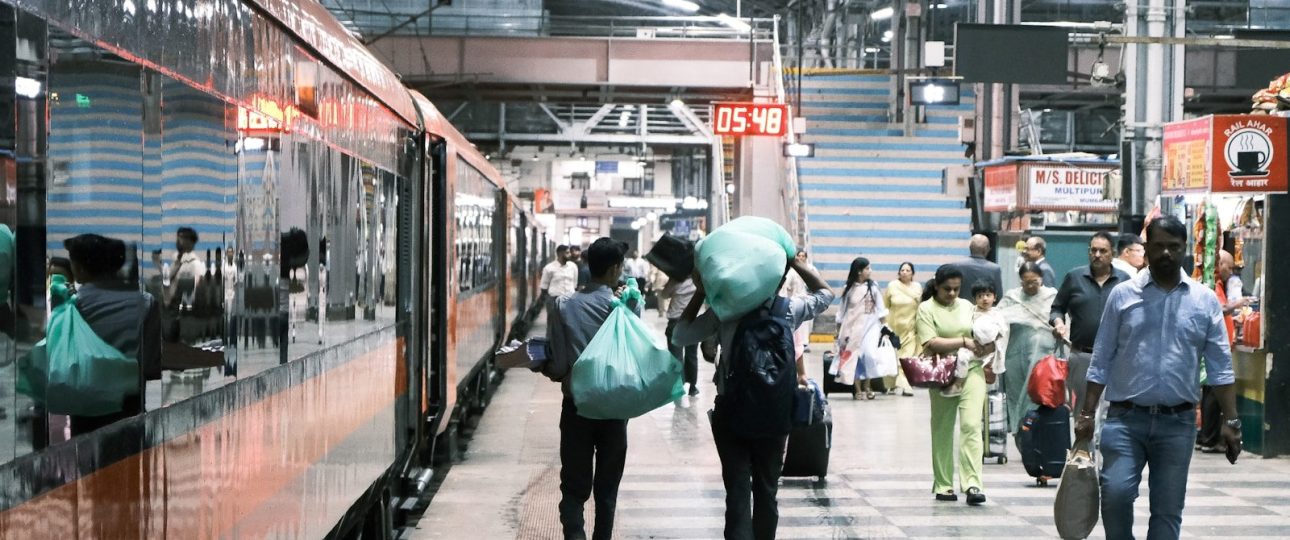
Traveling through India by rail is often romanticized as the ultimate backpacking rite of passage. Windows framing vibrant emerald paddy fields, the rhythmic clickety-clack of the steel tracks, and the iconic, distant calls of “Chai, Chai-Garam” echo through station platforms. For decades, the Indian Railways network has bound this massive subcontinent together. However, behind the grand cinematic appeal lies a gritty operational reality. While premium express routes offer smooth journeys, a handful of specific long-distance trains have earned notorious reputations. If you are planning an itinerary across this beautiful country, you need to know which routes to avoid.
To help you plan a safe, clean, and predictable journey, we have compiled a detailed breakdown of five trains that you should actively avoid due to extreme delays, terrible hygiene, and overwhelming crowds.
1. The Vivek Express (Train 15906 / 15905)
The Exhausting Endurance Test
Holding the title for the longest train route in India, the Vivek Express connects Dibrugarh in the far northeast corner of Assam to Kanyakumari at the southernmost tip of mainland India. Covering over 4,189 kilometers (2,600 miles) and spanning over 80 grueling hours, this journey sounds like an epic adventure on paper. In practice, it is a logistical and physical nightmare.
Route: Dibrugarh (DBRG) to Kanyakumari (CAPE)
Primary Issues: Severe hygiene breakdown, water shortages, compounding delays
When a train operates continuously for more than three days, onboard infrastructure rapidly degrades. The primary reason to avoid this service is the total collapse of basic cleanliness within the first 24 hours. Waste bins overflow, and peanut shells, plastic wrappers, and leftover food discard lines the carriage floors. Because maintenance crews can only do superficial sweeps at major stations, dust and grime accumulate quickly. Furthermore, the onboard water tanks frequently run completely dry between distant watering stations, leaving the shared toilets unusable and emitting foul odors across adjacent sleeper compartments.
2. Guwahati – Bengaluru Kaziranga Express (Train 12510)
The Flashpoint of Extreme Overcrowding
Connecting the northeastern hub of Guwahati to the southern tech metropolis of Bengaluru, the Kaziranga Express serves as a critical economic lifeline for thousands of migrant workers. Unfortunately, its massive popularity has turned it into one of the most stressful transit experiences on the subcontinent.
Route: Guwahati (GHY) to SMVT Bengaluru (SMVB)
Primary Issues: Unauthorized boarding, zero personal space, safety risks
The fundamental flaw of the Kaziranga Express is the rampant issue of unauthorized passengers spilling over into reserved ticket zones. Even if you book a designated ticket in the Reserved Sleeper Class (SL), you are highly likely to find ticketless passengers occupying your pre-booked berth. During peak seasons, crowds pack the aisles, vestibules, and even the floor spaces beneath the lower seats. This severe overcrowding compromises personal safety, heightens the risk of petty theft, and makes moving around the train to access basic facilities physically impossible. For international travelers carrying valuable baggage, navigating this intense environment is highly discouraging.
3. Amritsar – Saharsa Janseva Express (Train 14618)
The Unreserved Chaos
The Janseva Express runs between the holy city of Amritsar in Punjab and Saharsa in Bihar. Unlike standard long-distance trains that offer a mix of air-conditioned and reserved tiers, this train consists entirely of unreserved, general-class carriages.
Route: Amritsar (ASR) to Saharsa (SHC)
Primary Issues: Suffocating crowds, broken interior fittings, extreme discomfort
For budget travelers, the low price point might seem appealing, but the reality inside these carriages is deeply challenging. Because tickets are sold without seat caps, hundreds of passengers pack tightly into spaces designed for a fraction of that number. Temperatures inside rise rapidly, air circulation drops, and basic mechanical fixtures like overhead fans and lights are frequently broken or vandalized. The resulting environment is characterized by intense heat and heavy odors, making it entirely unsuitable for families, solo female travelers, or anyone carrying significant luggage.
4. Howrah – Mumbai Mail (Train 12810)
The Victim of Infinite Bottlenecks
Steeped in colonial history, the Howrah to Mumbai Mail connects India’s eastern cultural capital with its western financial engine. While the route is vital, the train itself is heavily plagued by severe scheduling vulnerabilities.
Route: Howrah (HWH) to Mumbai CSMT (CSMT)
Primary Issues: Chronically poor punctuality, dirty berths, outdated coaches
This train traverses some of the most congested industrial freight corridors in central India. Because cargo trains carrying coal and essential minerals are frequently given track priority, passenger services like Train 12810 are routinely sidelined on outer loops. It is common for this train to accumulate delays ranging from four to twelve hours. These unpredictable delays can completely disrupt pre-arranged hotel check-ins, connecting flights, and tight travel itineraries. Combined with aging interior panels and poorly maintained upholstery, the extended hours onboard quickly become incredibly frustrating.
5. Amrapali Express (Train 15707)
A Magnet for Passenger Complaints
Operating from Katihar to Amritsar, the Amrapali Express consistently ranks at the top of official passenger complaint metrics recorded on the Indian Railways passenger portal.
Route: Katihar (KIR) to Amritsar (ASR)
Primary Issues: Faulty air conditioning, systemic plumbing failures, security concerns
Travelers regularly report mechanical issues on this line, ranging from faulty air conditioning units in premium coaches to broken plumbing systems that leak water into passenger bays. Furthermore, because it stops at numerous small, unmonitored rural stations throughout its journey, security is a persistent concern. Unauthorized vendors and local passengers frequently board the train, increasing the risk of luggage theft during the overnight hours.
Smart Alternatives: How to Travel India Safely
Identifying which routes to avoid is only half the battle. To ensure your trip remains comfortable and memorable, you should prioritize premium train categories built for reliability, security, and cleanliness.
- Vande Bharat Express: India’s flagship semi-high-speed day trains feature modern, airline-style interiors, automated doors, bio-vacuum toilets, and excellent catering options.
- Rajdhani & Shatabdi Express: These fully air-conditioned, high-priority trains connect major state capitals, offer reliable service, include complimentary meals, and maintain high cleanliness standards.
- Duronto Express: These point-to-point, non-stop long-distance trains bypass crowded intermediate stations, significantly reducing unexpected delays and unauthorized boarding risks.
Final Travel Takeaway
Exploring India by rail remains an incredible way to experience the country, provided you pick the right service. By skipping these five challenging routes and opting for premium alternatives, you can enjoy a safe, clean, and comfortable journey across the subcontinent.
For official route timetables, real-time tracking, and booking details, visit the official Indian Railway Catering and Tourism Corporation portal. To learn more about exploring the region safely, check out our comprehensive India Travel Advisory section.