The Eternal Splendor of Kanchenjunga: A Journey Through History, Myth, and High Altitudes
Introduction: The Guardian of the East
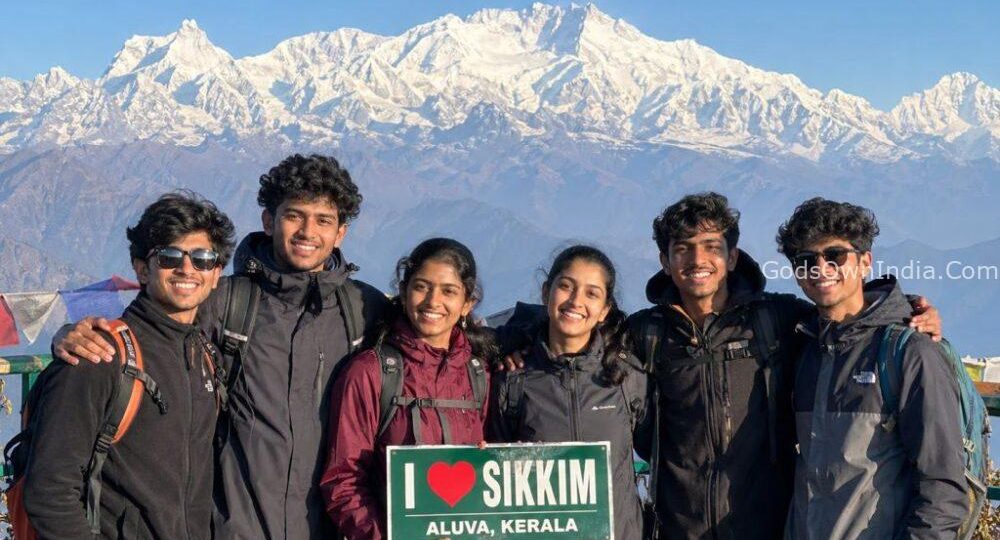
The Eternal Splendor of Kanchenjunga – Rising majestically to an altitude of 8,586 meters, Kanchenjunga ( Kanchenjunga Himalayan Guide ) is a name that commands respect and evokes wonder. Situated on the border between Nepal and the Indian state of Sikkim, it is the highest point in India and the third-highest in the world. But for those who live in its shadow, it is not merely a geographic coordinate; it is a living deity, a protector, and a source of life.
The name “Kanchenjunga” is derived from the Tibetan words Kang (snow), Chen (big), Dzu (treasury), Nga (five). Together, they translate to “The Five Treasures of the High Snow.” These treasures represent the five distinct peaks of the massif, believed to store the wealth of the world: gold, silver, gems, grain, and holy books.

The Historical Ascent: Beyond the Clouds
For decades, Kanchenjunga remained an enigma. Until 1852, it was actually believed to be the highest mountain in the world before Great Trigonometerical Survey calculations confirmed Everest and K2 were taller.
The human history of the mountain is one of restraint and respect. While many peaks are treated as conquests, Kanchenjunga is treated as a sanctuary. The first successful ascent took place on May 25, 1955, by British climbers Joe Brown and George Band. However, true to a promise made to the Chogyal (King) of Sikkim, they stopped a few feet short of the actual summit to ensure the “sacred top” remained untouched by human feet. This tradition continues today; out of respect for local Sikkimese beliefs, most climbers do not step on the very pinnacle.
For more technical details on the early surveys of the Himalayas, you can explore the archives at the Royal Geographical Society.
Trekking the Giants: Paths for the Brave
Trekking in the Kanchenjunga region is often described as “Himalaya in its purest form.” Unlike the crowded trails of the Everest region, Kanchenjunga offers solitude and raw, unfiltered nature.
1. The Goecha La Trek (Sikkim, India)
The most famous route on the Indian side starts from the historic village of Yuksom. This trail takes you through the Kanchenjunga National Park, a UNESCO World Heritage site. The highlight is reaching the Goecha La pass at nearly 4,940 meters, where the south face of Kanchenjunga appears so close you feel you could touch it.
2. The Kanchenjunga North and South Base Camp (Nepal)
This is a grueling 20–25 day expedition. It is one of the most remote trekking circuits in Nepal, taking travelers through diverse landscapes—from tropical jungles to high-altitude glacial moraines. Reaching Pangpema (the North Base Camp) provides a panoramic view of the mountain that few people on earth ever witness.
For those planning an international expedition, check out Nepal Tourism Board for the latest permit regulations.
The Sacred Tapestry: Myths and Legends
The spiritual geography of Kanchenjunga is as vast as its physical one.
- The Hindu Connection: In Vedic traditions, the Himalayas are the Devataatma (The Divine Soul). Kanchenjunga is often associated with the penance of Lord Shiva. The valleys surrounding the peak are believed to be the home of rare medicinal herbs, including those sought by Hanuman in the Ramayana.
- The Buddhist ‘Beyul’: Guru Padmasambhava, the second Buddha, is said to have blessed this land as a Beyul—a hidden valley of immortality. It is believed that in times of great world strife, these valleys will open up to provide refuge for the righteous.
- The Lepcha Ancestry: The indigenous Lepcha people of Sikkim believe their ancestors were created from the snows of Kanchenjunga’s summit. For them, the mountain is not something to be climbed, but a progenitor to be worshipped.

Himalayan trekking routes, Five Treasures of Snow, Goecha La pass, Kanchenjunga history, Sikkim tourism
Conclusion: A Call to the Soul
Kanchenjunga is a reminder of the scale of nature and the depth of human faith. It challenges the body with its steep ridges and nourishes the soul with its silence. Whether you are viewing the golden sunrise over the peaks from Darjeeling or standing at the edge of a glacier in Sikkim, the mountain leaves an indelible mark on your heart.
It is a journey that everyone should undertake—if not in person, then through the stories and wisdom this mountain offers the world.
#KanchenjungaHimalayanGuide Kanchenjunga #Himalayas #AdventureTravel #TrekkingIndia #Sikkim #MountainMythology #PeakClimbing #HikingLife #NepalTrekking #HighAltitude #FiveTreasuresOfSnow #GoechaLa #ExploreIndia #NaturePhotography #SpiritualJourney #MountainHistory #UNESCOHeritage #TravelConsultant #GodsOwnIndia #HimalayanPeaks