
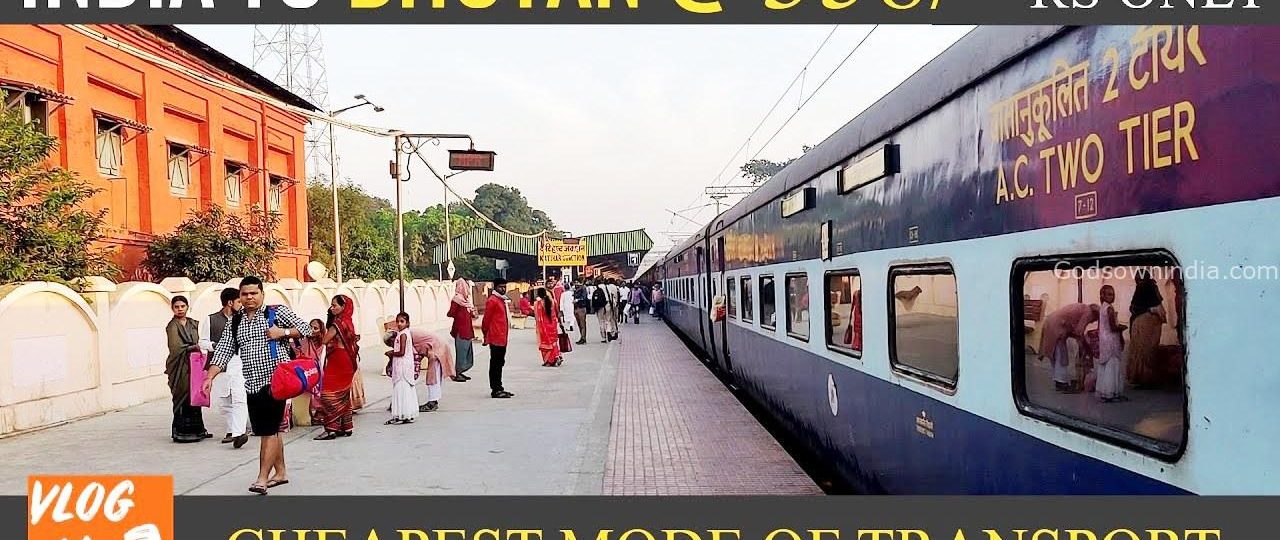
How to Reach Bhutan from India by Train: Your Ultimate Guide
Nestled in the heart of the Himalayas, the Kingdom of Bhutan is a land of vibrant culture, breathtaking landscapes, and an emphasis on gross national happiness. While this enchanting nation has captured the hearts of travelers worldwide, getting there can seem like a mystery. Especially for budget-conscious and eco-friendly explorers, the question “Can I reach Bhutan by train?” is a common one.
The answer is a partial yes! While you can’t take a direct train into Bhutan, you can use the extensive Indian Railway network to get very close to the border, and then seamlessly transition to road transport.
This guide will walk you through the entire journey, from planning your train trip to crossing the border and arriving in the heart of Bhutan. We’ll explore the key railway stations, travel logistics, essential documents, and even glimpse into the future of rail travel to Bhutan.
Understanding the Journey: The Train-and-Road Hybrid
Currently, the primary way to travel from India to Bhutan by train is a two-part adventure:
- Phase 1: Indian Railways Journey: You will travel from various parts of India by train to one of the convenient border railway stations.
- Phase 2: Road Journey: From the railway station, you will take a bus, taxi, or shared cab to the border crossing, and then onward into Bhutan.
Top Railway Stations Near the Bhutan Border
The most suitable railway stations depend on your point of origin in India and the specific border crossing you plan to use. Here are the most popular options:
1. Hasimara (Station Code: HSA)
- Location: West Bengal, India.
- Proximity: The closest Indian railway station to the Bhutan border.
- Border Crossing: Phuentsholing (the most popular entry point for tourists).
- Distance to Border: Approximately 17 km.
- Ideal For: Travelers coming from Kolkata (HWH, SDAH), Guwahati (GHY), and other cities on the Kolkata-Guwahati line. Taxis are easily available outside the station.
2. New Alipurduar (Station Code: NOQ)
- Location: West Bengal, India.
- Proximity: A major and well-connected station.
- Border Crossing: Phuentsholing.
- Distance to Border: Around 60 km.
- Ideal For: Those coming from cities with limited direct trains to Hasimara. Offers excellent connectivity.
3. New Jalpaiguri (Station Code: NJP) / Siliguri Junction (Station Code: SGUJ)
- Location: West Bengal, India (near the foothills).
- Proximity: A major transport hub for North-East India.
- Border Crossing: Phuentsholing.
- Distance to Border: Approximately 150-160 km.
- Ideal For: Connecting from various parts of India, including New Delhi (NDLS), Kolkata, and Chennai (MAS). NJP/Siliguri offers many options for onward travel by bus (both government and private) or taxi to the border town of Jaigaon. The journey from here offers beautiful views of the tea gardens.
4. Bongaigaon (Station Code: BNGN / NBQ)
- Location: Assam, India.
- Proximity: For entering through the Samdrup Jongkhar border.
- Border Crossing: Samdrup Jongkhar (South-Eastern Bhutan).
- Distance to Border: Around 110-120 km.
- Ideal For: Travelers coming from cities like Guwahati, Dibrugarh, or those exploring the North-East before entering Bhutan. This route is typically less crowded than the Phuentsholing one.
5. Guwahati (Station Code: GHY)
- Location: Assam, India.
- Proximity: The largest city and major transport hub in the North-East.
- Border Crossing: Samdrup Jongkhar.
- Distance to Border: Approximately 100-110 km (to the border crossing).
- Ideal For: Connectivity from major Indian cities like Delhi, Kolkata, Mumbai, and Bangalore. You can take a direct train to Bongaigaon or even find buses heading towards the border from Guwahati.
Planning Your Train Journey to Bhutan
1. How to Check Train Options and Book Tickets
The Indian Railway Catering and Tourism Corporation (IRCTC) website is your go-to platform for searching and booking train tickets.
Step-by-Step IRCTC Booking:
- Register/Login: If you don’t have an account, create one on the IRCTC website.
- Search Trains: Enter your starting city (e.g., ‘NEW DELHI’ or ‘HOWRAH’) and the destination border station (e.g., ‘HASIMARA’ or ‘NEW JALPAIGURI’). Select your desired travel date and class (e.g., Sleeper, 3AC, 2AC, 1AC).
- Analyze Options: A list of available trains will appear. Check the journey duration, arrival/departure times, and ticket availability (indicated by colors: Green=Available, Yellow=Waitlist, Red=Not Available).
- Book Your Ticket: Once you find a suitable train, click ‘Book Now’ and follow the on-screen instructions to provide passenger details and make the payment. You will receive an Electronic Reservation Slip (ERS) which acts as your ticket.
Alternative Booking Options:
- Offline Booking: You can also book tickets at the computerized reservation counters located at all major railway stations in India.
- Travel Agents: Authorized travel agents can also handle bookings for a small fee.
Tips for a Smooth Train Journey:
- Book in Advance: Train tickets in India, especially for popular routes and higher classes, can get fully booked months in advance. Plan your trip early!
- Consider Comfort: For long journeys, 2AC or 3AC classes offer more comfort than Sleeper class.
- Stay Updated: Check the live train status using apps like ‘NTES’ or third-party websites to be aware of any delays.
Reaching Bhutan from the Railway Station
After arriving at your chosen border railway station, you’re just a short trip away from Bhutan. Here’s what comes next:
If You Arrive at Hasimara or New Alipurduar (for Phuentsholing)
- Step 1: Ride to the Border: Taxis (shared and private) are readily available outside the stations. The ride to Jaigaon, the Indian border town, takes 30-60 minutes from Hasimara and around 1.5-2 hours from New Alipurduar. You can also find auto-rickshaws for shorter distances.
- Step 2: Cross into Bhutan: The vibrant town of Phuentsholing is right across the border gate from Jaigaon. You can literally walk through the Bhutan Gate!
If You Arrive at New Jalpaiguri/Siliguri (for Phuentsholing)
- Step 1: Ride to the Border: You have two main options:
- Buses: Regular government and private buses run from the Tenzing Norgay Bus Terminus in Siliguri to Jaigaon. The journey takes 4-5 hours.
- Taxis: Shared or private taxis offer a faster (3-4 hours) and more comfortable journey.
- Step 2: Cross into Bhutan: Once in Jaigaon, proceed to the Bhutan Gate and cross into Phuentsholing.
If You Arrive at Bongaigaon or Guwahati (for Samdrup Jongkhar)
- Step 1: Ride to the Border: Buses and shared taxis run from Bongaigaon and Guwahati towards the Samdrup Jongkhar border. The journey can take 3-5 hours depending on your starting point and vehicle.
- Step 2: Cross into Bhutan: This border crossing is less chaotic than Phuentsholing and provides a direct entry into the quiet, beautiful districts of eastern Bhutan.
Essential Travel Documents for Bhutan
Entering Bhutan requires some pre-trip preparation.
For Indian Citizens:
India and Bhutan share a friendly border, making travel relatively easy. You will need one of the following valid, original documents:
- Valid Indian Passport
- Original Voter ID Card (issued by the Election Commission of India)
Important Note: Entry is granted based on the specific documents presented. Ensure your documents are in good condition and have at least 6 months of validity remaining (for passports). Children below 18 can enter with a birth certificate and an ID issued by their school (accompanied by parents).
Navigating the Bhutan Entry Process and Permits
While you don’t need a traditional visa, you do need an entry permit. Here’s how it works:
Where to Get Your Permit:
You cannot get this permit at the Indian railway station. It is issued only after you cross the border:
- At the Border: The most common way is to get it at the Immigration Office in the Bhutanese border town (Phuentsholing or Samdrup Jongkhar) upon arrival.
- Online (Prior to Travel): For a smoother experience, Indian tourists can also apply for an online permit through a registered Bhutanese tour operator. This is highly recommended to save time at the border.
Permit Duration:
The initial entry permit is usually valid for 7 days and allows travel to Thimphu (the capital) and Paro (site of the Tiger’s Nest Monastery).
Extending Your Permit:
If you wish to travel beyond Thimphu and Paro, or stay longer than 7 days, you must apply for an Extension Permit and a Route Permit at the Department of Immigration office in Thimphu. Your tour guide or travel agent will facilitate this.
Important Costs to Consider: Sustainable Development Fee (SDF)
Bhutan’s tourism policy is unique. It focuses on ‘High Value, Low Volume’ tourism.
What is the SDF?
The Sustainable Development Fee (SDF) is a daily mandatory levy paid by all tourists to support Bhutan’s conservation efforts, community development, and infrastructure.
For Indian Tourists:
As of current policies, Indian tourists are required to pay a daily SDF of INR 1,200 per person per night. This fee is paid directly to the Bhutanese government and is separate from your accommodation, food, and tour costs.
When to Pay the SDF:
You will need to pay the SDF for the entire duration of your stay. This payment is typically managed by your Bhutanese tour operator before they process your entry permit application.
Exception: Children aged 5 and under are exempt from the SDF, and a 50% discount is applicable for children between the ages of 6-12.
Future Prospects: Direct Rail Connectivity on the Horizon
Exciting news for train enthusiasts! India and Bhutan are actively working on establishing direct rail links. A major project involves connecting Kokrajhar in Assam, India, to Gelephu in Bhutan. While construction is still underway, this future connection will revolutionize travel, making the journey seamless and even more scenic. Keep an eye out for updates on this transformative project!
Ready to Embark on Your Bhutanese Adventure?
Reaching Bhutan from India by train is a rewarding journey that blends the comfort of rail travel with the excitement of a road trip through a stunning landscape. While it requires some planning, the experience of watching the mountains rise and crossing into a kingdom that values happiness above all else is truly unforgettable.
Start by exploring your train options on IRCTC, prepare your valid ID, and reach out to a certified Bhutanese tour operator to sort out your permits and SDF payment. The magical kingdom of Bhutan awaits!
