
The Nuances of Foot Travel: Distinguishing Between Walking, Hiking, and Trekking
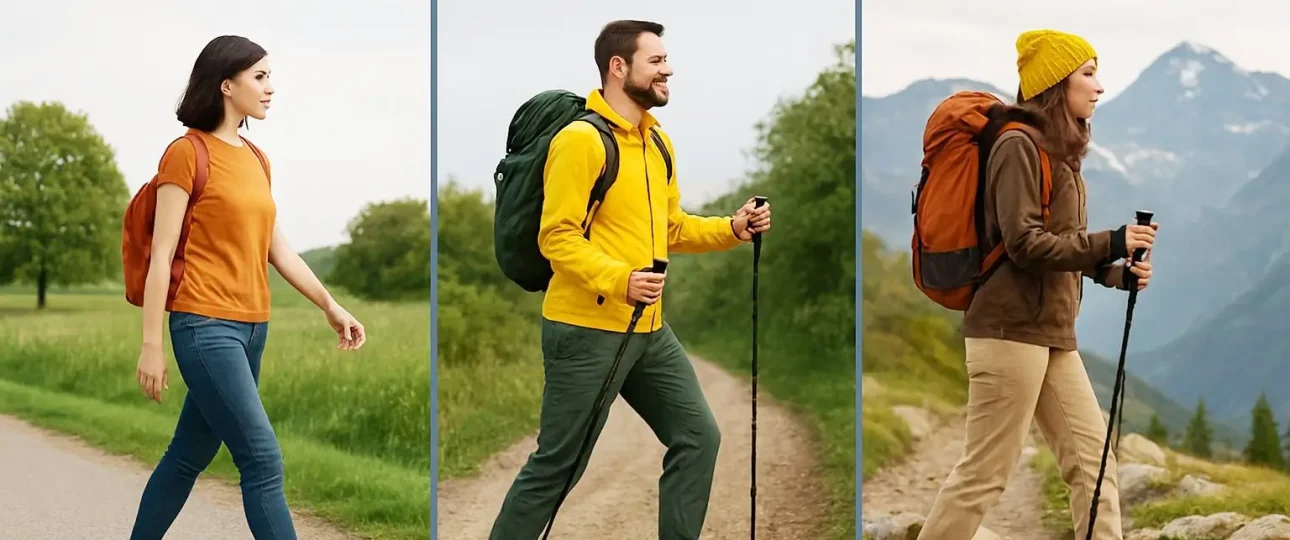
The simple act of moving on foot is fundamental to human experience, yet the terminology used to describe these activities walking, hiking, and trekking is often used interchangeably, leading to confusion. While all three involve locomotion across terrain, they differ significantly in duration, distance, environment, and the level of preparation required. Understanding these distinctions is crucial for enthusiasts selecting appropriate activities and gear, ensuring both safety and enjoyment. This essay will explore the defining characteristics that separate the casual walk from the rigorous trek, clarifying the spectrum of foot travel. Walking is a casual, short-duration activity on flat, easy paths. Hiking involves longer, more challenging walks on trails with inclines, usually lasting a few hours or a day. Trekking is a multi-day, strenuous journey through rugged, remote, and often uncharted terrain
Defining the Walk
Walking is the most fundamental and accessible of the three activities. It is generally characterized by relatively short distances, minimal elevation change, and movement over established, paved, or well-maintained surfaces such as sidewalks, city streets, or flat park paths. The primary purpose of walking is often utilitarian, such as commuting, or recreational for light exercise. Gear requirements are minimal, usually limited to comfortable everyday shoes and light clothing. For instance, a brisk walk through a local park for thirty minutes requires virtually no specialized preparation. Walking is inherently low impact and carries the lowest risk profile among the three activities, requiring little to no specialized navigational skill.
The Realm of Hiking
Hiking represents a significant step up in commitment and complexity from walking. Hiking takes place primarily on unpaved, natural trails, often involving varied topography, including hills and moderate inclines. A hike can last anywhere from a few hours to a full day. The environment is typically wilderness or semi-wilderness, necessitating more thoughtful preparation. Essential gear for hiking often includes sturdy, supportive footwear like hiking boots, adequate water supply, navigation tools such as a map or GPS, and layered clothing suitable for changing weather conditions. A common example is a day trip up a moderately challenging mountain trail, such as those found in the Appalachian foothills, which demands more exertion and route awareness than a simple walk. The objective in hiking is often recreational exploration of nature, balancing physical challenge with scenic reward.
The Rigor of Trekking
Trekking occupies the most demanding end of the spectrum. A trek is distinguished by its extended duration, typically spanning multiple days or even weeks, and often involves traversing remote, challenging, and rugged terrain. Unlike a hike, where one returns to a base each evening, trekking necessitates carrying substantial supplies, including shelter, cooking equipment, and food reserves. Furthermore, trekking frequently involves significant altitude gain, as exemplified by expeditions like the Everest Base Camp trek or multi week routes in the Patagonian wilderness. This activity demands a high degree of physical conditioning, advanced navigational competence, and specialized, durable equipment designed for self-sufficiency. The objective is not just recreation but often a sustained journey or exploration through demanding environments where external support is scarce.
Preparation and Environment
The primary differentiators between these activities lie in duration, terrain, and necessary logistical support. Walking is short term and low impact on flat ground. Hiking is medium duration, involves natural trails and moderate elevation, requiring day specific preparation. Trekking is long term, involves highly variable and difficult terrain, and demands expedition level self reliance. While the transition between a long, strenuous hike and a short, easy trek can sometimes appear blurry, the requirement for overnight camping and sustained multi day self support firmly establishes the boundary into trekking territory. Successful trekking relies heavily on pre trip acclimatization and meticulous packing, elements generally absent from casual walking or even standard day hiking.
Conclusion
In summary, walking, hiking, and trekking form a continuum of effort and commitment related to travel on foot. Walking is brief, accessible, and urban focused. Hiking is a day long immersion in nature along established trails. Trekking is an extended, arduous journey across remote landscapes demanding comprehensive planning and robust gear. Recognizing these specific definitions allows enthusiasts to engage in these pursuits safely and appropriately, respecting the inherent challenges of each outdoor endeavor.
Key Differences:
- Duration: Walking is typically a short outing; hiking is usually a day trip; trekking lasts for several days or weeks.
- Terrain: Walking occurs on flat, easy paths (parks, pavement). Hiking features uneven trails with elevation gain. Trekking involves remote, high-altitude, or mountainous, wild areas.
- Gear: Walking requires little to no special equipment. Hiking requires sturdy footwear, a daypack, and water. Trekking requires heavy, specialized gear including tents, sleeping bags, and navigation tools.
- Difficulty: Walking is casual. Hiking is moderate. Trekking is challenging and requires high physical endurance