

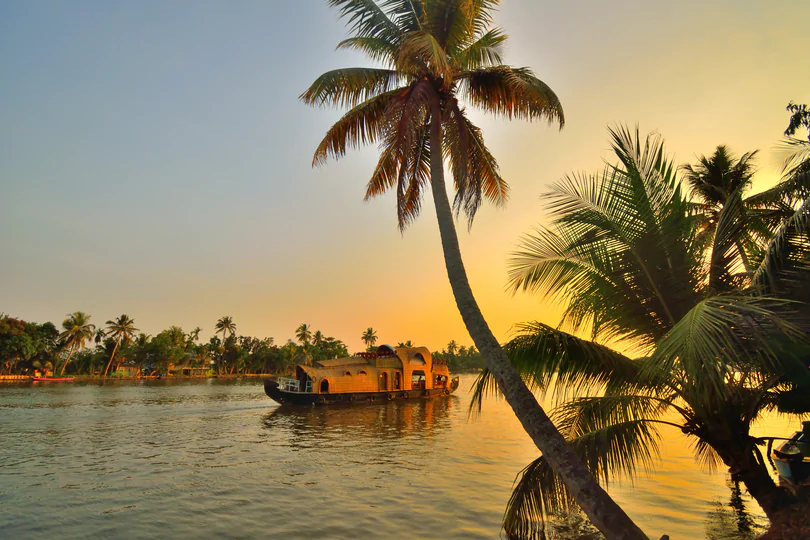


Kumarakom Bird Sanctuary Guide 2026 | Timings, Entry Fee, Best Time & Bird watching Tips
Kumarakom Bird Sanctuary, nestled on the serene banks of Vembanad Lake in Kottayam district, Kerala, is a true paradise for bird lovers and nature enthusiasts. Spanning about 14 acres of lush mangroves and wetlands, this sanctuary is part of India’s famous backwater ecosystem and attracts over 180 species of birds, including stunning migratory visitors from Siberia, Europe, and the Himalayas.
Whether you’re an avid birder armed with binoculars or a casual traveler seeking peaceful backwater vibes, Kumarakom offers unforgettable experiences like guided walks, boat rides, and serene sunsets over the lake. In this detailed guide, discover everything you need to plan your visit – from timings and entry fees to what birds to spot and practical tips.
For official details and updates, visit the Kerala Tourism page on Kumarakom Bird Sanctuary. Check real traveler experiences and reviews on TripAdvisor’s Kumarakom Bird Sanctuary page.
Timings & Entry Details
- Opening Hours: 6:30 AM to 5:00 PM daily (best bird activity in early morning or late afternoon).
- Entry Fee: Adults – INR 50; Children – INR 20 (fees may vary slightly; camera charges extra in some cases).
- Boating/Cruise Options: Private or shared boat rides through the sanctuary and Vembanad Lake cost INR 200–800 per person, depending on duration and group size.
Best Time to Visit
- For Migratory Birds: November to February – Peak season when birds like Siberian cranes, teals, pintails, flycatchers, and ducks arrive from colder regions. Expect vibrant sightings and pleasant weather.
- For Local/Resident Birds: June to August – Ideal for spotting kingfishers, egrets, herons, darters, cormorants, woodpeckers, and waterfowls during breeding season. The sanctuary is lush and green post-monsoon.
- Overall Recommendation: Avoid heavy monsoon (July–September) due to rain and slippery paths; October–March offers the best balance of weather and bird diversity.
Activities & What to Expect
- Birdwatching: Over 180 species! Spot elegant egrets, colorful kingfishers, herons, darters, and rare migratory visitors. Early mornings (6:30–9:00 AM) and late afternoons (4:00–6:00 PM) are prime times.
- Boating & Backwater Cruises: Glide through mangroves and canals in small boats or canoes for close-up views. Combine with a houseboat stay for a full backwater experience.
- Walking Trails: Short, well-marked paths and watchtowers inside the sanctuary for easy exploration (no strenuous trekking).
- Camping: Not permitted inside the sanctuary for conservation reasons, but nearby resorts and eco-lodges offer glamping or tent stays with lake views.
- What to Expect: Tranquil wetlands, mangrove forests, the gentle lap of water, and the constant chirping of birds. Photography is excellent – bring a good zoom lens. The area is peaceful, with minimal crowds outside peak season. Watch for mosquitoes (carry repellent) and stay on paths to avoid disturbing wildlife.
Tips for Your Visit
- Arrive early for the best bird activity and cooler temperatures.
- Hire a local guide or naturalist for expert spotting and identification.
- Carry binoculars, water, sunscreen, hat, and eco-friendly insect repellent.
- Respect rules: No feeding birds, keep noise low, and avoid plastic waste.
- Combine your visit with nearby attractions like Vembanad Lake cruises or Kumarakom backwater resorts.
Kumarakom Bird Sanctuary is more than just a birdwatching spot – it’s a serene escape into Kerala’s natural beauty. Perfect for solo travelers, families, couples, or photography buffs. Plan ahead during migratory season, and you’ll leave with memories (and photos!) of a lifetime.
FAQs
What is the best time for migratory birds at Kumarakom Bird Sanctuary? November to February is prime time, with arrivals from Siberia, Himalayas, and Europe – expect Siberian cranes, teals, and more.
Are boat rides available inside the sanctuary? Yes, small boats and canoes are popular for exploring the mangroves and lake edges. Book at the entrance or through nearby operators.
Is trekking or camping allowed at Kumarakom Bird Sanctuary? No dedicated trekking trails (only short walks), and camping is not allowed inside to protect the habitat. Nearby eco-resorts offer camping alternatives.
How much is the entry fee and are there extra charges? Adults: INR 50, Children: INR 20. Camera fees may apply; boat rides are separate (INR 200+).
How to reach Kumarakom Bird Sanctuary? Nearest airport: Cochin International (about 80 km). Good road/rail connectivity from Kochi, Kottayam (15 km), or Alleppey. Taxis, auto-rickshaws, or rented cars are convenient.
#Kumarakom bird sanctuary timings, #best time to visit Kumarakom, #migratory birds Kumarakom, #Kumarakom bird watching, #Vembanad Lake birds, #Kerala bird sanctuary, #Kumarakom Bird Sanctuary, #Kerala birds, #migratory birds Kerala, #Vembanad Lake, #bird watching in Kerala, #backwaters Kerala, #Kottayam tourist places, #nature tourism Kerala
-
Bus, Airlines
-
Home Stay
-
5,416 metres
-
Kathmandu
-
Feb, Mar, Apr & May
-
Eco-Tour, Hiking
-
All meals during the trek
-
English, Spanish, French, Chinese
-
Easy to Moderate
-
2-15
-
12
-
65
Overview
Travel is the movement of people between relatively distant geographical locations, and can involve travel by foot, bicycle, automobile, train, boat, bus, airplane, or other means, with or without luggage, and can be one way or round trip. Travel can also include relatively short stays between successive movements.
The origin of the word “travel” is most likely lost to history. The term “travel” may originate from the Old French word travail, which means ‘work’. According to the Merriam Webster dictionary, the first known use of the word travel was in the 14th century.
Highlights
- Trek to the world-famous Everest Base Camp
- Enjoy the amazing view of the Himalayas from Kala Patthar
- Travel through the Sherpa villages of Namche, Khumjung, Khunde, and Dingboche
- Visit Tengboche the biggest and oldest monastery n the region.


