



Athirappilly Waterfalls: Guide to the Niagara of India (2026)
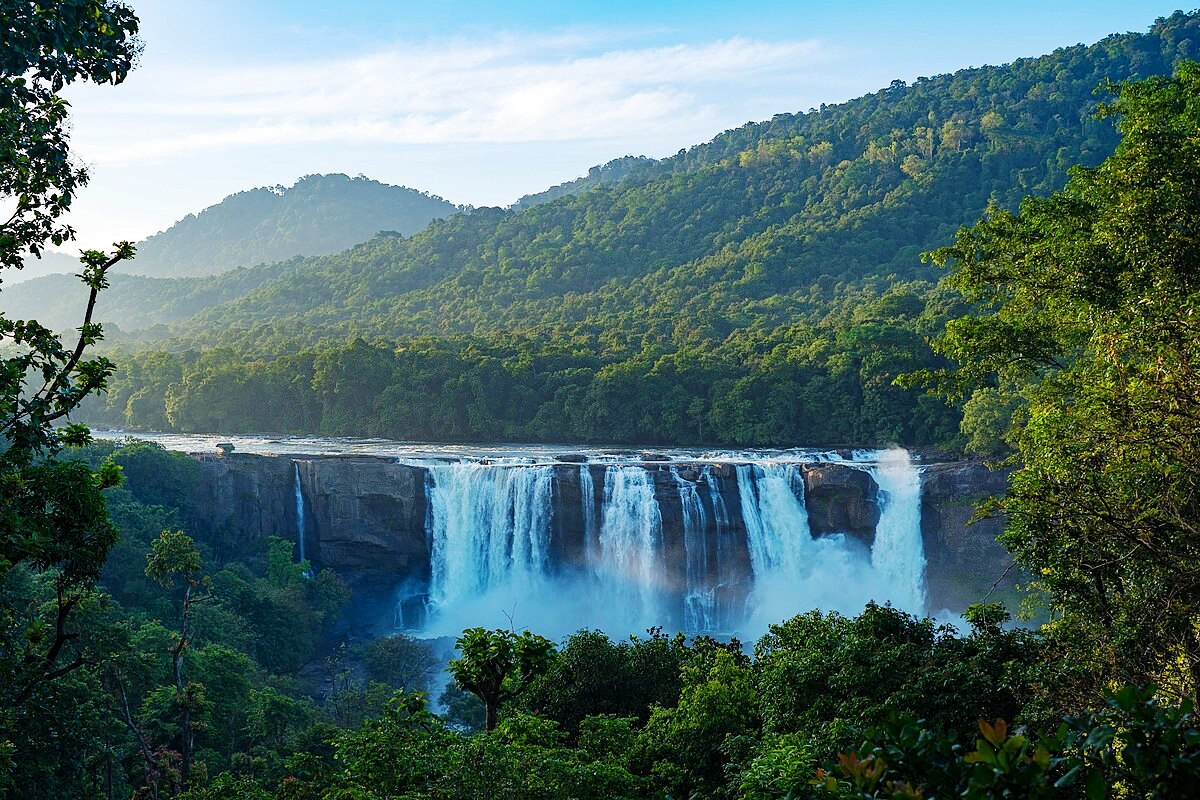
Nestled in the lush Sholayar forest ranges of Thrissur district, Athirappilly Waterfalls is Kerala’s largest and most spectacular waterfall. Often dubbed the “Niagara of India” for its sheer volume and beauty, this 80-foot cascade on the Chalakudy River attracts nature lovers, photographers, and adventure seekers. Featured in blockbuster films like Baahubali, it’s a must-visit spot in Kerala. Here’s everything you need: timings, fees, trekking, camping, best time to visit, and what to expect. Have you ever stood before a natural wonder and felt completely humbled by its roar? That is exactly the feeling you get at Athirappilly Waterfalls. Located in the Thrissur district of Kerala, this 80-foot majestic cascade is the largest waterfall in the state and is famously dubbed the “Niagara of India.”
Whether you are a nature lover, a trekking enthusiast, or a photography buff, Athirappilly offers an ethereal experience deep within the Sholayar forest ranges.
Timings & Entry Details (H2)
- Opening Hours: 8:00 AM – 6:00 PM daily (last entry around 5:30 PM)
- Entry Fees (approximate, as of 2026):
- Indian Adults: ₹50–₹60
- Children: ₹10–₹20
- Foreigners: ₹200–₹300
- Extra: Camera fees (₹10–₹50 for still/video)
- Note: Fees can vary slightly; check on-site or official sources. The ticket counter is near the entrance, followed by a short walk to viewpoints.
Trekking at Athirappilly (H2) The main experience involves easy to moderate trekking:
- Upper Viewpoint: 400–500m flat/easy walk from the ticket area – accessible for all ages, offers stunning side and top views.
- Base Trek: Additional 250–500m downhill path (slippery when wet) to reach closer to the falls and feel the mist. Takes 20–40 minutes one way; wear sturdy shoes and avoid during heavy rain.
- Guided Adventure Treks: Forest department offers organized treks like Nadukani (9 km) or Vazhachal routes (starting ~₹1,200–₹1,500 for Indians). Book via official ecotourism portals for safety.
Camping Near Athirappilly (H2) Camping directly at the falls is restricted for conservation reasons. However:
- Nearby eco-resorts, homestays, and forest-approved campsites in Vazhachal or Sholayar areas offer tent stays with nature views.
- Adventure packages sometimes include camping with trekking – check with local operators.
- Always get permits if venturing deeper into the forest.
Best Time to Visit Athirappilly Waterfalls (H2)
- Monsoon (June–September/October): Peak flow – most dramatic and powerful (full “Niagara” experience), but slippery paths and heavy rain.
- Post-Monsoon/Winter (October–February): Ideal – good water volume, pleasant weather (22–30°C), easier trekking, fewer crowds mid-week, and great for photography.
- Summer (March–May): Reduced flow, but quieter and good for base exploration. Avoid if you want maximum cascade. Pro tip: Arrive early (8–10 AM) or late afternoon to beat crowds and enjoy golden light.
What to Expect (H2)
- Misty spray, rainbows on sunny days, thunderous roar, and lush rainforest vibes.
- Two main viewpoints (top & base) + nearby Charpa Falls (seasonal roadside cascade) and Vazhachal Falls (smaller but scenic).
- Wildlife glimpses (hornbills, monkeys), fresh air, and photo ops everywhere.
- Facilities: Basic restrooms, small shops for snacks/water, parking available.
- Safety: No swimming in strong currents; follow forest rules; carry water/insect repellent.
Nearby Attractions (H2) Combine with Vazhachal Waterfalls, Thumboormuzhi butterfly garden, Sholayar Dam, or Anakkayam for a full day trip.
FAQs (H2 – Use Yoast FAQ schema block)
What are the timings for Athirappilly Waterfalls in 2026? Open daily from 8:00 AM to 6:00 PM, with last entry around 5:30 PM.
Is trekking required to see Athirappilly Waterfalls? A short 400m easy walk to the main viewpoint; optional moderate trek to the base for closer views.
Can you camp at or near Athirappilly Waterfalls? No direct camping at the falls; nearby eco-camps and resorts in the forest area offer options with permits.
What is the best time to visit for full waterfall flow? June to October (monsoon/post-monsoon) for maximum volume; October–February for comfortable weather and good flow.
What should I expect and prepare for at Athirappilly? Expect mist, powerful sound, slippery paths in rain, beautiful rainbows, and nature immersion. Wear good shoes, carry water, and avoid strong currents.
#Shakthan Thampuran Palace museum, #Thrissur tourism, #Kerala waterfalls, #Thrissur Pooram, #temple tourism, #nature travel, #India travel, #Niagara of India, #Thrissur tourism, #Kerala waterfalls, #Athirappilly trekking, #best time to visit Athirappilly, #Vazhachal Falls, #Sholayar forest, #Athirappilly, #Thrissur, #Kerala Waterfalls, #Nature Travel, #Trekking India, #Eco-tourism, #Athirappilly Falls, #Niagara of India, #Kerala waterfalls, #Athirappilly trekking, #Vazhachal Falls, #best time to visit Athirappilly, #Athirappilly timings, #Thrissur tourism, #Kerala nature spots, #Athirappilly Waterfalls, #Kerala Waterfalls, Niagara of India, #Thrissur Attractions, #Trekking in Kerala, #Monsoon Travel, #Nature Tourism, #Vazhachal, #Sholayar Forest, #Kerala Travel Guide
-
Bus, Airlines
-
3 Star Hotel
-
5,416 metres
-
Kathmandu
-
Feb, Mar, Apr & May
-
Eco-Tour, Hiking
-
All meals during the trek
-
English, Spanish, French, Chinese
-
Easy to Moderate
-
2-15
-
12
-
65
Overview
Travel is the movement of people between relatively distant geographical locations, and can involve travel by foot, bicycle, automobile, train, boat, bus, airplane, or other means, with or without luggage, and can be one way or round trip. Travel can also include relatively short stays between successive movements.
The origin of the word “travel” is most likely lost to history. The term “travel” may originate from the Old French word travail, which means ‘work’. According to the Merriam Webster dictionary, the first known use of the word travel was in the 14th century.
Highlights
- Trek to the world-famous Everest Base Camp
- Enjoy the amazing view of the Himalayas from Kala Patthar
- Travel through the Sherpa villages of Namche, Khumjung, Khunde, and Dingboche
- Visit Tengboche the biggest and oldest monastery n the region.


