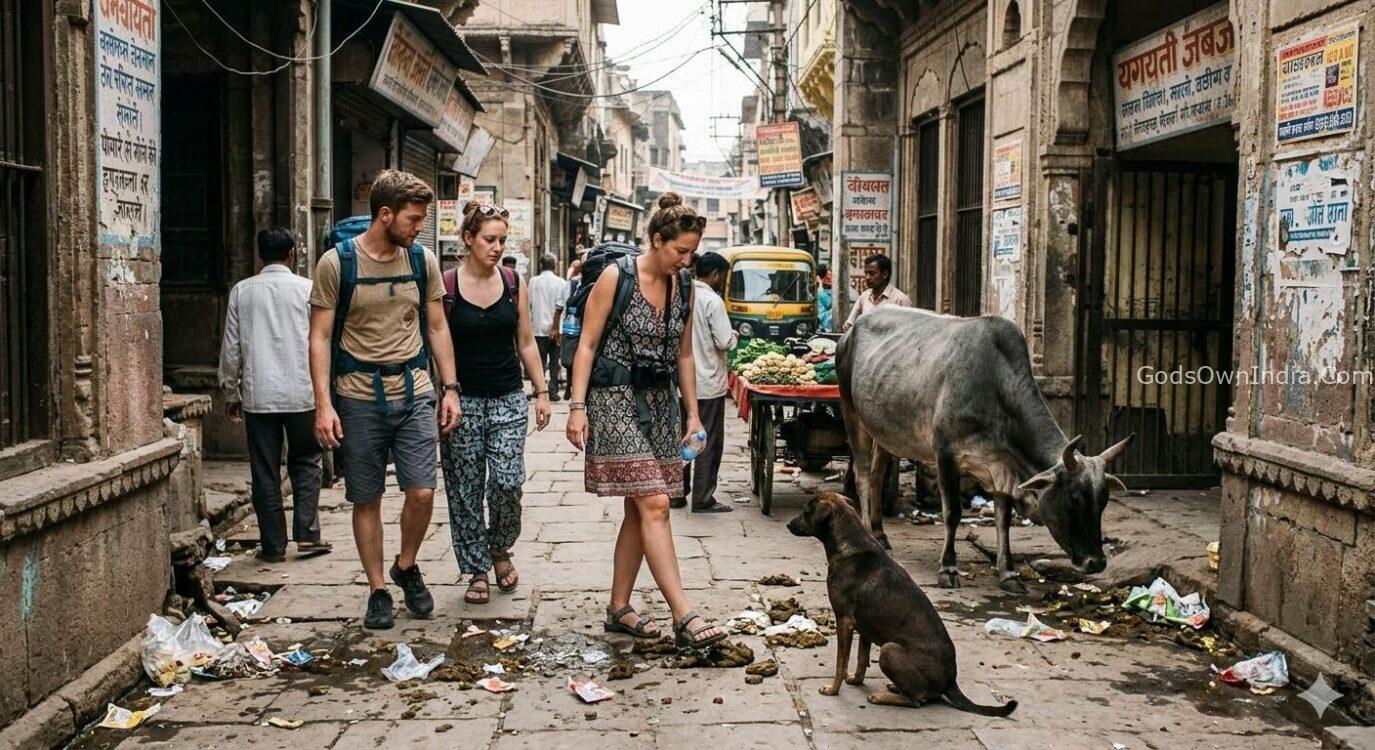
Indian Tourism Challenged by Stray Animals: A Travel Guide
Navigating the Complex World of India’s Stray Animals: A Traveler’s Perspective
India is a sensory experience like no other. From the majestic monuments of the Golden Triangle to the serene backwaters of Kerala, it offers travelers a vibrant tapestry of culture and history. However, alongside the breathtaking sights, many international visitors are quickly confronted by another, less romanticized Indian reality: the ubiquitous presence of stray animals on the streets.
For locals, the sight of a sacred cow navigating heavy traffic or a pack of dogs napping in an alley is commonplace. But for tourists, navigating these encounters can range from a novel curiosity to a significant challenge. Balancing the cultural significance of these animals with the practical hurdles they present is a crucial part of the modern Indian travel experience.
The Challenges for International Travelers
While often well-meaning, the large population of roam-free animals creates several issues for tourists, particularly those unfamiliar with such environments.
1. Safety Concerns and the Fear of Disease The primary concern for most travelers is personal safety. Pack behavior among stray dogs can be intimidating, especially in less populated areas or at night. The World Health Organization estimates that India accounts for 36% of global rabies deaths. While not every street dog is aggressive, the potential risk makes walking, a primary activity for sightseers, a source of anxiety. This can deter tourists from exploring areas beyond their hotel or organized tour bus.
2. Navigating Chaos and Traffic Indian traffic is famously chaotic, but adding unpredictable animals to the mix creates unique logistical hurdles. Stray cows often roam freely, occasionally stopping in the middle of busy intersections. This forces chaotic, last-second maneuvers from auto-rickshaws and motorists, increasing the stress levels for passengers and pedestrian tourists alike. Finding your way through a crowded market while avoiding both vehicles and animals requires constant vigilance, detracting from the enjoyment of the sights.
3. Sanitation and Hygiene Issues The presence of large animal populations, particularly cattle, on urban streets leads to visible sanitation problems. Navigating dung and associated flies on sidewalks is a common complaint. This impacts the overall aesthetic and perception of cleanliness, which is a major factor in international destination rankings. For many tourists, this constant negotiation of space impacts their desire to return or recommend the destination to others.
The Cultural and Ethical Context
It is important for travelers to understand that the stray animal situation in India is deeply intertwined with cultural and religious beliefs.
Cows, in particular, are considered sacred in Hinduism, representing life and sustenance. They are protected, and often deliberately fed by locals as an act of devotion. You can learn more about the profound
to gain a deeper understanding of why they roam freely.
While dogs do not share the same divine status, a general cultural aversion to animal cruelty, influenced by the principle of Ahimsa (non-violence), means many people provide community care—feeding local strays even if they don’t own them. This coexistence is complex, creating an environment where animals are neither truly owned nor entirely abandoned.
Steps Towards a Better Coexistence
This issue is not lost on Indian authorities or non-governmental organizations. Recognizing the impact on public health and tourism, various initiatives are in place to address the situation humanely.
- Animal Birth Control (ABC) Programs: The most critical step is managing the population. NGOs, supported by organizations like
, work extensively on sterilization and rabies vaccination drives in major tourist hubs.
Increased Sanitation and Shelters: Some cities are working to relocate ownerless cattle to dedicated Gaushalas (cow shelters) and improve waste management to prevent animals from congregating at open garbage dumps.
Conclusion: An Ethical Approach for Tourists
The stray animal situation in India is a complex issue with no easy solutions. As a visitor, the best approach is one of awareness and respect. Understand the cultural context, exercise caution and vigilance, and support local organizations working on humane, long-term solutions. By doing so, you can navigate the unique challenges of Indian travel while appreciating the intricate relationship between its people and the animals that share their streets.
#India travel, #stray dogs, #sacred cow, #tourism challenges, #travel safety, #animal welfare, #Indian culture, street dogs India, #sacred cow traffic, #Indian tourism challenges, #stray cattle impact, #animal welfare India tourism, #hinduism