
Edakkal Caves Wayanad: History, Significance, and Travel Guide
Tucked away in the verdant landscapes of Wayanad district in Kerala, India, the Edakkal Caves stand as a testament to humanity’s ancient past. These natural rock shelters, located at an elevation of about 1,200 meters on Ambukutty Mala, are renowned for their prehistoric petroglyphs that date back to at least 6,000 BCE. As one of the earliest known centers of human habitation in the region, the caves provide invaluable insights into Neolithic life, making them a must-visit for history enthusiasts, archaeologists, and tourists exploring Kerala’s hidden gems.
The History of Edakkal Caves
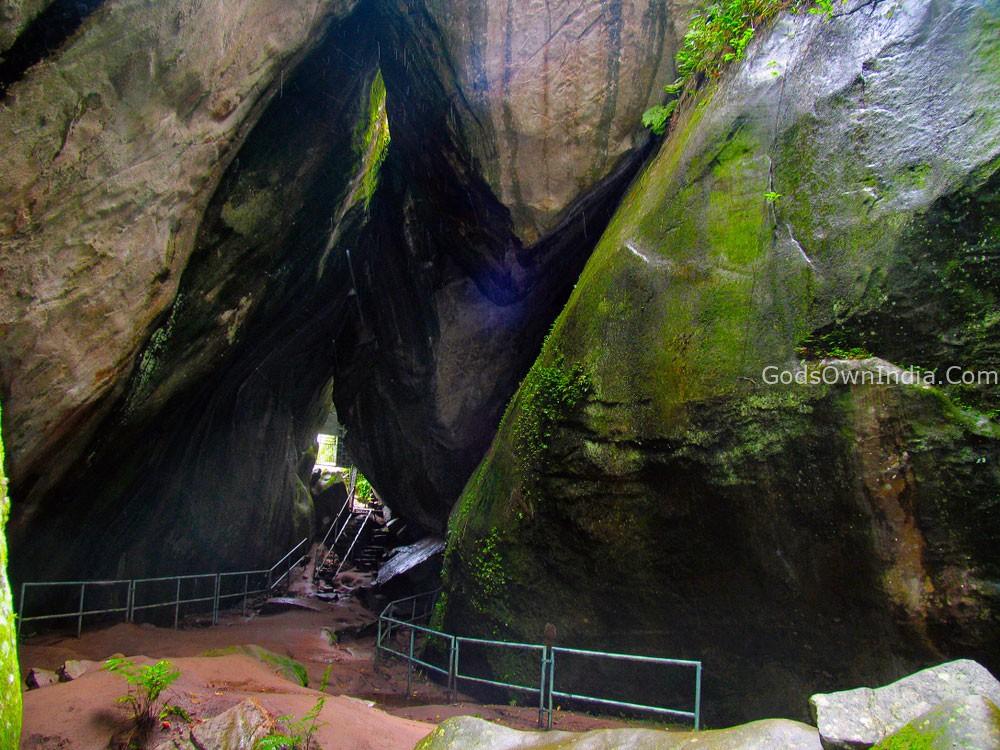
The name “Edakkal” translates to “a stone in between” in Malayalam, aptly describing the unique geological formation where a massive boulder is wedged between two larger rocks, creating a natural cave. Discovered in 1890 by Fred Fawcett, a British police official during a hunting expedition in the erstwhile Malabar state, the caves were immediately recognized for their anthropological significance. Fawcett’s find revealed etchings from the Stone Age, marking Edakkal as the only site in South India with such rare prehistoric carvings, apart from a few similar examples in Kerala like Shenthurini in Kollam.
Archaeological evidence suggests the caves were inhabited multiple times throughout history, with engravings from both Neolithic (around 6,000 BCE) and Mesolithic periods. These drawings include depictions of humans, animals, tools, and symbols, hinting at the daily lives, beliefs, and cultural practices of ancient settlers. The site’s proximity to an ancient trade route connecting Mysore’s high mountains to the Malabar Coast ports further underscores its historical importance as a hub for early human activity.
Significance and Mysteries of the Petroglyphs
What makes Edakkal Caves truly extraordinary is the diversity and complexity of its rock art. The engravings, believed to be created by Neolithic people, feature intricate patterns that remain shrouded in mystery. Historians speculate they could represent rituals, hunting scenes, or even early forms of writing. Protected by the Kerala State Archaeology Department as a monument, Edakkal holds the distinction of being India’s premier site for Stone Age carvings.
The caves also reflect cultural diversity, with indications of multiple occupations over millennia. For visitors, it’s not just about the history—it’s about connecting with our ancestors’ ingenuity amidst the raw beauty of nature.
How to Visit Edakkal Caves
Reaching Edakkal Caves involves a moderate trek, adding an element of adventure to your journey. Located about 10 km from Sulthan Bathery in Wayanad, the site is accessible by road, followed by a 1 km uphill walk. The trek offers stunning panoramic views of the surrounding hills, making it worthwhile even for non-history buffs.
Timings: Open from 9:00 AM to 4:00 PM, Tuesday to Sunday (closed on Mondays). Entry Fee: Approximately INR 30 for Indians and INR 50 for foreigners (subject to change). Best Time to Visit: October to March, when the weather is pleasant and the trek is easier. Avoid monsoons due to slippery paths. Tips: Wear comfortable shoes, carry water, and be prepared for a bit of climbing. Photography is allowed, but respect the site’s heritage by not touching the engravings.
Why Edakkal Caves Deserve a Spot on Your Kerala Itinerary
In a state famous for its backwaters and beaches, Edakkal Caves offer a refreshing dive into Kerala’s prehistoric roots. Whether you’re a solo traveler seeking solitude or a family looking for educational outings, this site blends history, nature, and adventure seamlessly. As part of Wayanad’s broader tourism appeal, combine your visit with nearby attractions like the Wayanad Wildlife Sanctuary or Banasura Sagar Dam for a complete experience.
Edakkal Caves aren’t just rocks—they’re a portal to the past, reminding us of humanity’s enduring spirit. Plan your trip today and uncover the secrets of this ancient wonder!
#Edakkal Caves, #Wayanad, Kerala, #Prehistoric Sites, #Rock Art, #Stone Age Carvings, #Archaeological Wonders, #Wayanad Tourism #Edakkal Caves history, #Wayanad caves, #prehistoric Kerala, #Stone Age carvings, #Kerala tourism


